
You must pre-select your classes for the event. If you are registered, you may select your classes by CLICKING HERE.
To help you select your classes, you may download a printable Daily Schedule and Class Selection Planner.
Please see the tabs below for Classes, Ringing Opportunities, and Exhibiting Partner Showcases.
Classes at National Seminar cover all aspects of handbell musicianship.
Techniques for treble to bass, solo to ensemble, musicality, percussion, and rhythm; managing and building a handbell program; and more.
Click on the instructor’s name for their biographical information.
Basics for Handbell Ringers
Bells, Ringers, Rehearsal Room: What Now?
Linda Lamb
You found handbells in a closet at your church, you surveyed and found enough people interested in ringing, and the church has tasked you with organizing and leading a choir. How do you get started? When do you rehearse? How do you choose music? What do you do at your first rehearsal? What are your goals for performance? Let’s get started!
Developing Young Choirs – Ringing for Today and Building for the Future
Mark Arnold
Children and youth can be a vital part of your handbell program, but they are definitely not the same as your adult ringers! This class, which could also be called “Care and Feeding of your Young Ringers,” is based on the instructor’s 30+ years of teaching young ringers. It will provide an overview of developmental stages for different age groups and ideas for how to develop a children’s or youth bell group, including recruiting, group dynamics, music selection, and rehearsal strategies for various ages and situations, with examples from a variety of churches’ handbell ministries.
Fear Not! Good News of Great Joy for Inexperienced Directors
Jackie Stephenson
Whether you volunteered or were volun-told, you are now the handbell director at your church or school. Now what? We will explore and expound on ten recommendations to help you succeed, garnered from 41 years of experience. Topics include (but are not limited to): to mark or not to mark, musicality, teaching rhythms, conducting, assigning bells, rehearsal musts, special events, attendance challenges, teaching beginners of all ages and choosing music. This class is devoted to the participant becoming a confident, successful leader/director…with or without a music degree.
Gamify the Basics – from Newbie to Confident in Record Time
Taryn Davis
Have you ended up in a church or school that has a set of bells but no one that knows how to use them? Or do you have eager beginner ringers that you want to start with correct technique and help them learn to read music without bogging them down? Then this is the class for you! Based off of the Strikepoint Program Curriculum created by Stevie Berryman, this class will show you how to get your new program off the ground running. Within 8 sessions, your ringers will be ready to conquer level 1+/2 music! Take the guesswork out of how to organize and scaffold new skills. Learn how to teach proper ringing strokes, simple rhythms, score reading, and the all important conductor watching skill, all while having fun with the gamified lessons. Perfect for teachers wanting to incorporate bells into their school as well as community and church group leaders starting new groups or needing a way to quickly integrate new members into an already established group without scaring them away. Participants will receive a free pdf of the 8 lesson Strikepoint curriculum before its upcoming publication.
Organizing Your Ringing Year
Kathleen Wissinger
The joys of directing handbells: a continual juggling of people, equipment, schedules, repertoire, rehearsals, subs, venues, other people’s schedules, performances. Keeping track of all these moving parts in a well-prepared and organized way keeps your ringers well-informed and saves time in rehearsals – producing better results from your ringers and more fun for everyone, including the director!! We’ll discuss tips on how to get your ducks in a row for a season of ringing – and keep them there!!
Ready, Set, Ring! A Practical Guide for New Handbell Directors
Marie Loeffler
Based on the 2016 edition of the Back to Bells workbook, this workshop provides a practical, hands-on guide for starting or revitalizing a handbell choir. We will explore essential elements of a successful handbell program, including equipment, rehearsal space setup, basic ringing techniques (stroke, damping, and dynamics), bell assignments, score preparation, and strategies for incorporating novice ringers into worship. This interactive session invites you to actively contribute ideas, share best practices, and practice ringing and directing in a supportive setting. Everyone will receive a copy of the Back to Bells workbook (with updates), offering additional guidance on working with small choirs, repertoire selection, and creative ways to integrate handbells into worship services. By the end of the workshop, as a new handbell director, you will gain practical skills, fresh inspiration, and a wealth of resources to help start and support your program.
Take It Up a Notch
Jennifer Stack
This session is for directors who seek to understand how to raise the bar for their choirs. Participants will be led through reflective and cooperative exercises to evaluate the needs or their choir and the opportunities they have to select new music for their group. We discuss intentional selection of repertoire that will help the choir to advance in any number of ways-their understanding of rhythm, specific techniques, a new musical style. The instructor will dive into some rehearsal strategies, and ways to leverage otherwise wasted moments within the rehearsal in order to teach and reinforce techniques. By using these strategies throughout the year, any group is capable of growing to a new level.
COMMUNICATIONS
From Good to Great: Stage Presence for Everyone
Hillary Marotta
The public performance is the culmination of all that a handbell choir has learned. This class teaches the importance of and attention to details that allow performances to truly stand out and communicate the unspoken messages and musicianship of the art of handbell ringing. From the way we as ringers and conductors get on stage through the final note of the last piece, this class covers all of the ways we communicate with our audiences and achieve the level of professional musicianship. This class is applicable to everyone on the stage including ringers, conductors, and other performers.
Tuning Your Message: Strengthening Communication within Your Group and with Your Audience
Marie Loeffler
Talking is easy, communicating takes intention. In this hands-on workshop, we will explore how to connect more effectively with both your ensemble and your audience. We will dive into speaking and listening skills, explore the four sides of communication, and discover how tone, body language, and words shape what people hear. Along the way, we will consider how to prevent common miscommunications and strengthen trust within a group. This interactive session mixes practical strategies with plenty of participation. You will leave with actionable tools to help you listen with purpose, speak with confidence, and communicate in ways that spark clarity, connection, and collaboration.
COMPOSING/ARRANGING/PUBLISHING
Conquering Copyrights
Nick Hanson
This class is for participants who have wondered how to start the journey of receiving permission to arrange copyrighted music for handbells. Topics to explore will include simple scenarios like seeking permission from handbell publishers for small edits/changes, up to tracking down ownership for songs from favorite artists, shows/movies, and performances. This class will also explore the concept of self-publishing, either as a sole entrepreneur or through an online service like Arrangeme.com.
Ringing with the Congregation – Arranging Hymns for Handbells
Christopher Boilesen
Incorporate your handbell ensembles into more of your service by accompanying the hymns. This course will introduce strategies for writing your very own hymn arrangements for handbells. Whether you have two ringers with 8 bells or a full 7-octave ensemble this course will have you writing arrangements for your ringers accompanying the congregation, choir and organ in no time. Music theory experience is not required.
The Art of Arranging Pop Music for Handbells
Nick Hanson
This class will explore various ways to bring popular music to the handbell medium. The class will take time to analyze different songs, discuss what pop music would or would not work on handbells (and the reasons why/why not), and ways to incorporate techniques and other musical ideas to best translate to the performer’s intentions. One point of clarification is that this is not a copyright class! The goal for this class is to specifically research and analyze reasons some music works well for handbells and what steps to consider when considering and/or making arrangements.
The Art of Engraving (and the Chore of Proofing)
Michael Glasgow
Perhaps your piece has been accepted for publication and you’ve just received proofs. Maybe you’ve just finished writing a piece for your group at home. Or you work in the publishing industry as an editor or engraver and have to proof your work (or someone else’s). How do you tackle the task at hand? This course isn’t about working with engraving/notation software. It’s about systematically proofreading a piece to ensure that what shows up on the page is accurate and legible (which are obviously critical), but also unambiguous and consistent (and many other positive adjectives), while balancing the broad-strokes objective information with the subtle nuances of more subjective edits.Michael will take you through a multi-step proofing methodology that’s been shaped by his own unique blend of OCD and ADHD. He’ll offer lots of tips to make the process efficient, prevent mistakes from slipping through the cracks, proactively address potential questions, communicate with editors/engravers…all of which help ensure that ringers and directors can be as successful as possible *from the very first read of your piece.* This course will benefit composers, arrangers, publishers, editors and engravers…whether you’ve never done this before or you’ve done it hundreds of times.
CONDUCTING
Basic Principles of Conducting
Stephanie Rhoades
This class is designed for anyone who wants to learn the basics of conducting. Whether you are a new director or a ringer who wants to be prepared to step on the conductor’s podium when necessary, this class will provide you with basic techniques to proficiently lead an ensemble through a piece. By the end of the class, participants will know proper conducting posture, how to execute preparatory gestures, releases, and cutoffs, and how to conduct various patterns (two beat, three beat, and four beat), subdivide beats, and demonstrate tempo changes. Participants will also explore ways to use the left hand to provide cues, articulations, and dynamic changes.
Behind the Baton
Debbie Rice
The conductor’s role is to provide leadership through conducting to communicate rhythmically accurate as well as musical interpretations for ringing performers. This session provides a check list for physical gestures beyond standard beat patterns including but not limited to the importance of prep beats, managing fermatas, cues, adding the left hand, and dynamics with practice as a group to explore these skills. We will also address the importance of learning styles which requires conducting to encourage ringers getting out of the score.
Beyond the Gesture: Conducting Past Basic Patterns
Billy Brandt
By learning the basic conducting gestures, we open a highway of communication between the directors musical intentions and the ensemble. However, basic beat patterns can quickly become limiting to advanced musical expression. Portraying the sound through your body and expanding your toolbox of gestures are all keys to moving past the basic conducting patterns. In this session we will dig deeper into the art of conducting and explore emotive gestures, macro vs micro meters, dynamic ranges, and more. One additional key area of study will be the role of conducting in a rehearsal setting and how to balance the tasks of teaching with appropriate conducting.
Conducting Creativity: Introduction to Conducting Gesture
Billy Brandt
Standing in front of a group of musicians and having to lead them in artistic performance using only body movements is an intimidating task for even the most tenured among us. But, what do we do if we have no background in the art of conducting? How can we approach conducting in a way that goes beyond basic patterns and evokes authentic expression for our ensemble? In this class, participants will work collaboratively to develop basic conducting gestures grounded in healthy kinesthetic movement, discuss score studying from a conductor’s perspective, and analyze methods for being a creative conductor. By the end of this class, each participant will create their own “method” book complete with exercises and resources to foster a continued growth in creative, thoughtful, conducting.
How Do I Conduct That?
Joel Plaag
Changing meters! Random ringing! Adding percussion instruments! Conducting across giant spaces! How do we lead through these conducting problems? How do we best communicate with our players so that they feel confident and ready to play through the most challenging gauntlets of bell choir mayhem? In this course, we’ll look at changing meters, fermatas, and the dreaded “nebula” conducting that comes with random ringing. We’ll look at how to lead best when we have to conduct far across the room. Using real-world examples, we will discuss how to handle some of conducting’s biggest challenges.
CULTURE
Boomer Bells–Keeping the Passion and Challenge
Sandra Eithun
“Would you like me to bow out of the ensemble, as I’m just not as fast as I used to be?” Many directors are hearing this question from their experienced older ringers. These are folks who are fantastic musicians, not beginners. They’ve been ringing bells for a lifetime, and don’t want to be part of a beginning/level 1 ensemble, as they are used to working beyond fundamentals and love musical challenges. They are just starting to feel the effects of age and their hand-eye coordination might be compromised a bit. They feel like they’re losing an “edge” they once had. This class will feature discussion and ringing of repertoire that provides a musical challenge – carefully selected to include level 1-3 pieces that have elements to feed their musician’s soul while being a bit more “friendly” to their current challenges. Pieces with challenging syncopated patterns that repeat or return so that they do not need to be learned twice; pieces with a fullness of chordal texture that sound more difficult than they are; compositions where picking up mallets or chimes, etc. have a sort of “built-in” space for that to happen. Older ringers have still “got it!” and this class will help them thrive!
Handbells Are for Everyone – Music Reading Is Not Required
Diana Montgomery
Learn about adaptive notation, a system of colored letters that allows anyone to make music. This can bring music and its emotional and social benefits to non-readers of all ages. Find out the latest resources available in this specialized format. Try your hand at ringing music in this format.
Noticed, Known and Needed: Creating a Culture of Belonging in Your Ensemble
Suzanne Neafus
Think of a time when you truly felt you belonged in a group; what made that experience meaningful? How can you create that same feeling with the people you ring with? In this interactive session, we’ll explore how to build a culture of belonging where every ringer can be themselves and feel noticed, known, and needed. Together, we will explore small, intentional actions that foster trust, connection, and joy. Whether you’re a ringer, director, or somewhere in between, you’ll identify behaviors that help or hinder belonging and commit to one small change to strengthen your own ensemble.
MARKETING
Handbells and Pop Culture
Mitchell Eithun
“Winston would have loved this” is the most common response to handbell content on TikTok. But who is Winston and how is he related to handbells? This class will provide an overview of some notable culture touchstones between handbells and pop culture. Together we will think about how explore the of the community’s public image online and how engaging with pop culture can grow our reach in new and creative ways. What are our goals when we post about handbells? How can our online activities engage with new audiences and challenge our assumptions about who plays handbells? This class is applicable to anyone interested in promoting the art of handbells!
MUSIC THEORY
A Music Theory Primer
Kathleen Wissinger
(Must attend both sessions) Why all the accidentals? How do I count this measure? What was the composer thinking? Music Theory to the rescue! Our ears know what sounds right, but we don’t always understand how or why it works. We’ll cover the staff layout, notes, scales, modes, meter, note values, intervals, chords, expressions, dynamics, tempos and all the things that make music…..musical!! Become more connected with the music and understand the Whys, Hows and Whats of the music happening in your score.
A Pedagogical Approach to Understanding Rhythm in the Handbell Ensemble
Corbin Rasmussen
Does your handbell ensemble have new ringers who struggle with rhythms? Need an easy approach to making rhythms more accessible for everyone? The class is geared towards directors or ringers who want a new way to break down rhythms for those who are new to ringing in their handbell ensemble. The focus will mostly be for directors, but would also be great for ringers who want to learn how to better understand rhythms within the context of the handbell score. The class will be hands-on and will include handouts and resources that directors and ringers can take home and use with their own ensembles.
BINGO – Theory is FUN!
Joy Toll-Chandler
Let’s PLAY! – BIngo and Theory! Yes, indeed, theory IS fun – and we will use a “Bingo” board to work our way through “Basic Music Theory,” including some aspects related directly to handbells. This class is for those seeking a refresher in basic theory, as well as those who have some knowledge of music but have been afraid to delve into music theory specifics. Key and time signatures, all things clef-related, notes on the staff, intervals, dynamics, tempos – this will be theory 101 in 1 hour. We will finish with a quick game of BINGO as we review what we learned (and there WILL be prizes!)
Counting Counts! How Do I Count Thee? Let Me Love the Ways
Kathleen Wissinger
Rhythm is the heartbeat of music – and to keep track of the rhythms we feel, we count: most commonly with “1-2-3-4.” But sometimes a different method of counting suits better – perhaps the beats are divided differently, or the meter or tempo of the music requires a different approach. We’ll explore 7 methods of experiencing and vocalizing rhythms, weighing the benefits of each: Numeric, Eastman, Gordon, Orff, Kodály, Takadimi and mnemonics (word syllables). Sometimes even mixing them up a little is beneficial. You’ll soon have a range of counting options to choose from.
Exploring Symbolism through Music Theory
Madeline Carey
Why is music able to evoke such intense emotion? Why do certain performances feel life-changing? In this listening and discussion-based class, we will be examining the effectiveness of musical storytelling based on compositional and performance-based decisions. Using music theory concepts as the foundation of analysis, we will discover how tonality, chord progressions, articulation, etc. formulate the listener’s journey as well as the performer’s artistic choices.
Whether you are a ringer, director, or composer (or all three!), this class seeks to bring a higher awareness to the aesthetic experience of music which will help to more effectively shape our intentions when approaching our craft.
Meters Matter
Michael Glasgow
The world is messy, but time signatures don’t need to be! Most of us understand the differences between 3/4 and 6/8 time (though we’ll cover it for those who don’t!), but what about 5/4 vs.10/8? Or 6/4 vs.12/8? What about “imperfect” or asymmetrical meters like 5/8 and 7/8? Is there REALLY a difference between 4/4, 2/2, and 8/8? (Spoiler alert: absolutely!) And must you conduct the time signature printed in the score? (Spoiler alert: not necessarily!) This course breaks it all down and then builds it back up using an accessible and engaging pedagogy. Participants will learn how to approach all sorts of time-signature building blocks and the jargon that goes with them (so if you’re reading this and think all of these terms are “over your head,” don’t be afraid; this is exactly the course for you!). We’ll cover beat groupings and subdivisions (“macrobeats and microbeats”), downbeat stress and secondary accents, syncopations, homorhythms, simple vs. compound time…and then explore how these apply to various meters. Concepts like tuplets, hemiola, l’istesso, rhythmic diminution and augmentation will also be covered (again: if it’s all gobbledygook to you, or if you “basically get it” but can’t really explain it to your ringers or colleagues, COME TO THIS CLASS!).
MUSIC THERAPY
Experience a Music Therapy Session with Handbells and Handchimes
Bruna Marinho de Almeida
This session is designed to engage people in a peaceful and therapeutic musical experience using handbells and handchimes. Participants will be guided through a series therapeutic activities that promote relaxation, coordination, active listening, and rich sound vibrations. The session begins with gentle and peaceful warm-up activities, helping participants focus on their breathing, posture, and movements. Throughout the session, participants will explore the instruments and their many possibilities, fostering a sense of accomplishment, confidence, and self-awareness. I will lead call-and-response activities and improvisation, encouraging creativity and deep listening. Emphasis is placed on mindfulness, emotional expression, stress and anxiety reduction, enhanced mood, and the enjoyment of sounds. The session concludes with a reflective cooldown, allowing participants to share their experiences, sensations, and emotions. Overall, this music therapy session promotes cognitive stimulation, emotional well-being, and social connection, making it especially beneficial for anyone seeking meaningful and enriching experiences in life.
PROGRAMMING
8 Bells and a Bell Tree
Karen Van Wert
8 Bells and a Bell Tree encompasses a variety of music, including processional, introductory bell tree, BT and ensemble or handbell choir, and challenging music. Whether you are just getting started with bell tree or are looking for a challenge, there is something for everyone in this class. All the music referenced is published. Several videos will be shared along with a link to the current list of 8-bell music.
Bell Tree and Ensemble Music
Karen Van Wert
The Bell Tree community has seen a recent increase in requests for BT and ensemble music (a.k.a. BT and 1-7 ringers). This is a growing genre that addresses smaller choirs, BT ringers who don’t want to ring solo, a variation to 12-bell music, and a small number of people who can take the bells to a venue. This class will explore published music for BT and 1-7 ringers.
Demystifying the Art of Programming
Billy Brandt
Based on the HMA published article of the same title, this session tackles the creation of concert programming. The foundation for any music program, concert programs are one of the fundamental tasks we have as music directors. However, it is one of the hardest topics to find concrete strategies to use. While many consider the concert program an ethereal creation disseminated by the music director, this class examines the building blocks of concerts and encourages participants to expand their own philosophies on programming. Participants will identify the parts of a concert program, begin to dissect musical works, and learn formatting strategies for their concert program. Moreover, participants will collaborate with each other to build concert programs which make sense in their own contexts. Finally, this session is also adapted for those that work in the church music setting who do not have formal concert cycles.
Discovering the Creative Musician Within
Joel Plaag
We are in a creative field, but sometimes creativity can elude even the best of us. What inspires our creativity? What blocks it? How did we get “stuck” limiting ourselves, and how do we get out? In this discussion, we’ll talk about what usually holds us back as creative people and how best to understand and adapt to it. We’ll lookhow our work as creatives can influence our music-making, and how making music can influence our creative side and connect us with others. We’ll talk about bringing that creativity into handbell concerts and how to make our performances into more complete experiences.
REHEARSAL MANAGEMENT
Organizational Strategies: Ideas and Roundtable
Anne Kelley
Looking for ways to organize equipment or simplify your set up and take down process? Organizational Strategies is the class for you! This session will cover a variety of different ways to organize your ensemble, establish set-up and tear-down routines, promote independence and set your ringers up for lifelong success. This session will give ringers and directors ideas to promote independent musicianship and streamline your rehearsal set-up and tear-down process. Throughout the presentation, participants will engage in an open discussion to share their own organization strategies. This will provide more time for ringing and less time for the other stuff!
The Handbell Rehearsal: Inside the Process and Best Practices
Billy Brandt
As directors, and ringers, it is easy for our focus to be fixed on our culminating performances. However, the work that we do in every rehearsal will directly impact the confidence and musicality our ensemble arrives at the performance having. Advancing our ensemble requires us to look specifically at how we use our limited rehearsal time to get the most out of our ringing experiences. In this session, participants will consider their own rehearsal strategies and attitudes before examining best practices on warmups, score study, goal setting, long-term planning, and more!
Too Many Bells, Too Few Hands
Brian Seemann
You’ve been here: Too few ringers and hands, and too many notes on the page. Some notes have to be left out, but which ones? Using some basic music theory knowledge and a little score study, this class will cover how to how to distill a composition down while maintaining it’s musical integrity. We will also cover some creative assignment techniques to help cover more bells with fewer ringers.
SACRED
Enhancing Worship with Handbells
Karen Van Wert
Handbells are commonly rung during worship as the Special Music, during Offertory, or as a Communion Hymn. Incorporating handbells into other liturgical elements of worship can enhance the worship experience and add a special element to a service. Together, we will explore several practical ideas for you to use and brainstorm other concepts to expand our common library of ideas.
Handbells – Music or Ministry?
Mark Arnold
Handbells contribute beautiful sound to a worship service, but are we just providing music, or do we serve a greater purpose? This class will explore how we as handbell musicians can be more intentional about our roles as worship leaders, both in and out of the worship service, and how handbell ministry can contribute as part of both individual spiritual development and the overall mission of the church. We’ll look at examples from several churches and discuss specifics that can be implemented by our own ringers at all levels of age and experience.
Worship Planning 101
Mitchell Eithun
How do handbells fit into the life of a faith community? What sort of music is appropriate for the congregation, the ringers, and particular days of the year? Together well diverse ways to incorporate handbells into worship, focusing especially on selecting music and placing it in an order of service. Both theological and practical concerns will be addressed for a variety of church contexts. This class is aimed at ringers and directors in faith-based handbell ensembles.
SCORE STUDY
New Music, Who Dis?
Brian Seemann
You just got a new piece of music – there is a lot to learn before you even pick up a bell for the first time. We will cover some basic score study techniques to prepare, mark, and even get some practice in before starting to ring.
Score Scanning Success
Anne Kelley
Any score is accessible with any type of handbell group! This class will help directors, ringers, and/or aspiring-directors, quickly navigating a handbell score to select repertoire for a traditional or non-traditional handbell ensemble. After attending this class, you’ll be able to identify the trickiest parts of a score in seconds to help you select repertoire, figure out the difficulty, plan ringing assignments, and prepare for sight reading success! Whether you’re new to ringing, a director, or an advanced ringer, this will be a great review to help navigate handbell scores! Geared at directors or ringers who want to direct, this class will help make any piece of music accessible for your group!
Well, Look at That! Score Study for Ringers
Kerry Johnston
While we may all read music, how often do we read past the notes? Everything on a page of music has a meaning. We will do a deep dive into several music examples, and see how advance study can enhance your learning of a new selection. Participants will analyze and play increasingly complex examples to discover what the music holds beyond the obvious notes on the page.
SIGHT READING
Improving Sight Reading and Score Study Skills
Christopher Titko
Have you ever wished you could improve your handbell sight-reading and become a more consistent ringer? This class will share, in a creative and fun manner, seven time-tested ways that you can improve your sight reading. Together, the class will learn to study a score and make plans for difficult passages before even picking up a bell. Developing these skills will enable ringers to play more consistently and gain confidence in their overall musicianship. New music, from a breadth of composers and publishers, will be used and ringers of varying abilities are welcome.
SOLO/SMALL ENSEMBLE
Bell Trees – Introduction to the First Branch
Laura Blauch
Bell trees are fun to play and can be used in so many different ways, with or without other instruments. In this class, we will set up the tree stand, put together the first “branch”, learn how to play some simple tunes, and explore various options for using your tree. Please bring mallets appropriate for C5 and up.
Bell Trees Continued – Beyond the First Branch
Laura Blauch
Adding branches to your bell tree opens the door for more exciting repertoire but also creates some new challenges. In this class, we will assemble additional branches using the traditional keyboard setup, learn how to move from one string to the next and how to approach sticking patterns. Please bring mallets appropriate for C5 and up.
Ensembles Beyond the Numbers
Mark Arnold
Ensemble ringing has reached new heights of popularity in the past few years, but it has focused primarily on “standard” 8 bell and 12 bell music. This class will explore the wider range of small ensemble literature, from on-table quartets to various other configurations for less than a full choir. We’ll take a little time for why we might need this kind of music, then delve in to some hands-on exercise with examples at multiple skill levels.
TECHNIQUE
Advanced Weaving
Nikki Evans
So you know how to weave. Maybe you’re comfortable with several multiple-bell techniques. But can you do both at the same time? Learn how to combine weaving and four-in-hand. Some prerequisite knowledge of weaving is required; some knowledge of four-in-hand is recommended.
All About That Bass – Digging Deeper
Leslie Lewis
In this class we will dig deeper into the realm of possibility by looking at when and how to double down so we can use the expanded sets of bells and chimes with the golden oldies in our libraries. We will also take a closer look at assigning the bass bells (many of the philosophies apply to the entire range of bells).
Basic Percussion Methods
Jack Burdwood
How do you hold a tambourine? What’s a vibraslap? Why can’t I play the triangle with a pencil? All these questions and more are answered in this crash course on all things percussion. We’ll dive into drums, cymbals, tambourines, triangles, shakers, and more while exploring the basic techniques needed to play them within a handbell ensemble. Come ready to experiment, play, and have a blast making some noise!
Bass-ics and Beyond
Mark Arnold
It’s all about the bass! This class will focus on healthy and safe bass bell technique, including equipment, setup, and ringing, with tips and tricks from the instructor’s lengthy bass bell career. Topics include ringing options, stopped sounds, mallets, table layout, bell assignment, and how to cheat a few notes without getting caught.
From Clunky to Clear: the Art of Beautiful Chimes
Kathryn Jurado & William Murphy
Do you remember when you first played a hand chime? Was it in elementary school when it was good enough that you could make it sound? Or was it later in life and you were told it was just like playing a handbell? This hands-on class will teach participants how to achieve the best sound on hand chimes through the proper technique and performance of music with chimes, and their maintenance. We will also learn how to troubleshoot common issues with chimes. This class is good for both beginners and experienced ringers.
Handbell Science
Karen Van Wert
Harnessing the knowledge of handbell science opens the door to experimenting in sound production. The simple movement of a sustained note or the perfect execution of a technique can add drama and interest to a performance. Ringing the final chord with a deliberate style will close the piece in keeping with the overall mood. Abrupt or slowly fading into the distance, contemplative or exciting, joyous or sorrow-filled – help the music tell the story you wish to convey. Come into my laboratory and experiment with purpose.
Mallets in Motion
Jack Burdwood
Malleting is hard. But it doesn’t have to be! Effortless motion comes down to three key components that you can practice anywhere, any time. In this hands-on class, we’ll break down the methods of movement used by real orchestral percussionists to improve your mallet playing using simple, effective malleting exercises for solo or ensemble practice.
Mastering Handbell Tone and Style through Laban’s 8 Efforts
Phoebe Yeung
Want to add more style and expression to your handbell ringing? In this fun and practical class, we’ll explore how Laban Movement’s 8 Efforts can help you create different tone colors and musical styles using your physical ringing techniques. You’ll learn how movements like Dab, Glide, Punch, and Press can completely change the way your handbells sound whether you’re playing soft, lyrical melodies or exciting, upbeat pieces. We’ll practice movements that make ringing feel natural and musical, helping you control your sound and express emotions through physical motion. Through hands-on exercises and real musical examples, this class gives you simple tools to connect your movement with your music, making it easier and more fun to bring out the artistry in every piece you ring or lead. Perfect for ringers and conductors at any level!
Ring with Confidence: from Notation to Motion
Marie Loeffler
Whether you are new to handbells or looking to strengthen your foundation, this session offers a hands-on exploration of the fundamental techniques every ringer should know. Together we will walk through basic ringing motions and special techniques, learning not only how to execute each one but also how to recognize the notation that represents it. Using materials from the Back to Bells Workshop Curriculum and the Handbell and Handchime Notation Guide, you will increase your confidence through guided exercises, demonstrations, and plenty of opportunities to ring. Designed to be interactive and encouraging, this class provides practical tools and clear explanations that help transform notation on the page into confident, musical sound.
Six-in-Hand Methods
Nikki Evans
For treble bell hogs and soloists! Learn a variety of six-in-hand techniques, and applications for each one.
Techniques: A-Z
Kathleen Wissinger
Our beautiful, sparkling bells can make music in so many ways! We’ll explore myriad techniques – the popular ones and the obscure ones – and learn the symbol attached to each. You’ll learn how to echo, sing, roll, shake, gyro, vibrate, shimmer, twinkle – and much more. Copy the handout and bring to class with your binders, mallets, singing sticks and gloves!
Weave Me Alone
Nikki Evans
Looking for a way to handle all those bell changes? Want to try ringing a solo? Start with weaving! Recommended for bell hogs.
When the Bell You Need Is Not in Your Hand – Creative Solutions from C(3) to Shining C(8)
Erin Gerecke
We’ve all been there. The bell you need next is lying on the table, not in your hand where you need it! In this class, we will explore various techniques to help keep the music (and your confidence) moving along smoothly when bell changes are required. From picking up accidentals, to weaving, four-in-hand, bell shifts, and much more, there are many ways to solve your choreography challenges. (Some might even involve your neighbor!) The importance of marking your music will be discussed. Grace notes of specific advice for bass and upper treble ringers will be sprinkled throughout the session. Individual trouble spots may be used as examples, so bring your music if desired. This class features hands-on opportunities to try out different ideas, so grab your gloves and get ready for problem-solving fun!
TECHNOLOGY
Crash Course in Audio and Video Recording for Handbells
Matt Gender
A crash course on everything one needs to know to successfully record their handbell ensembles, including different types of microphones, audio recorders, interfaces, editing, video systems, lenses, and video editing.
Dorico Music Notation Program for Handbell Composers
Paul Kinney
(Must attend both sessions) Music notation program Finale is no longer supported. It’s designated successor is Dorico and is quite different. This two-part class will discuss those differences and demonstrate how a handbell composer could use Dorico. Topics to include Dorico’s names for things; screen layout and major program components; entry of notes and all the other symbols; preparing how the music looks on the page; symbols and notation specific to handbells; bells used chart; handbell templates; where to go for help; an overview of the manual; ringing compositions from Finale into Dorico. The class will also cover why a person should switch to Dorico and when not to.
Marking your Digital Music: ForScore for Handbells
Susie Amos
There’s no point in using technology if it makes things harder. By the end of this session you will be able to use your tablet as an organizational, practice, and performance tool to work with digital copies of your music. Using the iPad app ForScore, you will learn how to add music to your tablet, how to organize it, annotate it, add links, buttons, and other features using the ForScore app.
Most importantly, you will unlock the power of how handbell musicians can use ForScore features specific to our practice, including tips and tricks on making the iPad do what handbell musicians want it to do.
Click on the conductor’s name for their biographical information.
All-Star Choir
Conducted by Brenda Austin
(Sessions 1, 2, 3, 4, 9, 14, 16) Concert with Distinctly Teen, Saturday, July 18, 2:00 PM
Please note new audition process for All-Star Choir below.
Selected participants will rehearse advanced music and perform in a public concert on the final day of National Seminar. To be considered for the All-Star Choir you must make a video of yourself performing provided audition excerpts, and then answer the questions on the application form. The video link is required to submit the application form. Complete your video recording first, upload it to a public site (i.e. Vimeo, Google Drive, YouTube), and then include the link in the form. The deadline to submit your application with video link is February 28, 2026.
Exultate – Krug / GIA Publishing / G-8546 / L.4+
We Three Kings / Hope Publishing / 2482 / L.3+
Vivace – Austin / GIA Publishing / G-9019 / L.3+
In the Hall of the Mountain King – Thompson / Fred Bock Music Co / FBBG 0915
Be Still, My Soul – Guebert / Jeffers / JHS9570 / L.5
Golden – Hanson / Hope Publishing / L.4
Beginning Ringing Track
Conducted by Kimberlee Strepka
(Sessions 1, 3, 7, 11, 15)
This ringing track provides hands-on experience with basic to intermediate ringing techniques in a learning-focused, stress-free environment.
Joy and Celebration – Afdahl / AGEHR / MAG35297 / L.2
Within the Darkest Night – Hakes / AGEHR / MAG36028 / L.2
Come, Thou Long Expected Jesus – Moklebust / Choristers Guild / MCGB266/569 / L.2
O the Deep, Deep Love of Jesus – Lamb / Hope Publishing / MHP2701 / L.1+
Morning Has Broken – Sherman / Choristers Guild / MCGB421/422 / L.1
Intermediate Ringing Track
Conducted by Joe Galyon
(Sessions 2, 4, 9, 12, 15)
Stretch your ringing skills with a challenging, diverse, and engaging selection of repertoire. Multiple treble bell techniques, weaving, bass bell techniques, malleting, chime techniques, assignment strategies, stage presence, and other skills will be employed.
Allegro con moto – Krug / GIA Publishing / G-8073 / L.3+
Calypso Celebration – Austin / Hope Publishing / 3106 / L.3-
Rejoice and Be Glad – Galyon / From the Top Publishing / 20698 / L.3+
Soul Search – Gramann / From the Top Publishing / 20884 / L.3
Spires – Compton / Beckenhorst Press / HB647 / L.3
Advanced Ringing Track A
Conducted by Celia Chan Valerio
(Sessions 5, 6, 8, 13, 15)
This year, we are offering two Advanced Ringing Tracks with separate repertoire. Read and work on four pieces that incorporate various styles and challenges. Sessions will challenge each ringer to think conceptually about how to make their ringing even more musical. This track is appropriate for the advanced ringer or a ringer desiring assistance to move to a new level.
Rhapsody in B Flat Minor – Erdman & Compton / Choristers Guild / MCGB1065 / L.4+
Vivacio (Spirited Praise) – Moklebust / Beckenhorst Press / MBEHB785 / L.4
Majesty – Cerna / The Golden Dance / L.5
After Silence – Krug / Choristers Guild / MCGB1288 / L.4
Advanced Ringing Track B
Conducted by Stephanie Rhoades
(Sessions 5, 6, 8, 13, 15)
This year, we are offering two Advanced Ringing Tracks with separate repertoire. Read and work on five pieces that incorporate various styles and challenges. Sessions will challenge each ringer to think conceptually about how to make their ringing even more musical. This track is appropriate for the advanced ringer or a ringer desiring assistance to move to a new level.
What a Wonderful World – Eithun / Hope Publishing / HP2702 / L.3+
Solace – Glasgow / Choristers Guild / CGB1393 / L.4
Come, Thou Fount of Every Blessing – Compton / Choristers Guild / CGB1355 / L.4
Comfort, Comfort Ye My People – Krug / Beckenhorst Press / BEHB812 / L.4
Psalm 42 – Buckwalter / Beckenhorst Press / BEHB251 / L.5
We encourage you to attend these Exhibiting Partner Showcases, which include presentations and reading sessions.
Showcases in alphabetical order by Exhibiting Partner name.
8-Bit Handbell Publishing
Nick Hanson
Saturday, July 18, 10:30 AM – 11:45 AM
Alfred Handbell
Fresh on the Stand: Alfred Handbell’s Fall, Advent, and Christmas 2026 New Releases
Kathryn Jurado
Friday, July 16, 2:00 PM – 3:15 PM
Be among the first to hear and ring Alfred Handbell’s newest Fall, Advent, and Christmas releases for 2026 in this hands-on reading session. Explore inspiring new repertoire by today’s composers and arrangers designed to ring beautifully, rehearse efficiently, and support meaningful programming for ensembles of all levels.
AGEHR Publishing
RingCraft & Beyond: Exploring the Future of AGEHR Publishing
Brian Childers
Thursday, July 16, 2:00 PM – 3:15 PM
Join AGEHR Publishing as we reveal an exciting new series, explore our stirring, latest releases and look back at favorites from AGEHR.
Beckenhorst Press
New Music from Beckenhorst Press
Mitchell Eithun
Wednesday, July 15, 9:00 AM – 10:15 AM
Read through new music suitable for worship, school, or the concert stage written by some of today’s most exceptional handbell composers.
CantoBell Hub
New Music from CantoBell Hub
Phoebe Yeung
Thursday, July 16, 10:30 AM – 11:45 AM
Join CantoBell Hub for a showcase of brand new handbell music from Hong Kong composers and arrangers. Hear the stories behind these and other fresh compositions created specifically for school, church, and community ensembles. Participants will have the opportunity to meet the composers and sight-read through these Level 1-4 exemplary works, gaining inspiration for their own programming.
Choristers Guild
New From Choristers Guild
Mark Arnold, Sandra Eithun, Nick Hanson, Carol Lynn Mizell
Thursday, July 16, 9:00 AM -10:15 AM
Come and experience some of the newest music from Choristers Guild. Find your favorite bell position, and have fun ringing a variety of new music under the direction of amazing and inspiring composers. If you’re lucky, you may the winner of one of our prize drawings. We hope to see you there.
CIR Music Publishing
CIR Music Publishing (Christian Interdenominational Resources)
Jefferey A. Hall, Julie Turner
Wednesday, July 15, 3:30 PM – 4:45 PM
All handbell ringers are invited to participate in a Read and Ring of various handbell pieces published by CIR Music.
Grassy Meadow Music
New Music from Grassy Meadow Music
Jason Krug
Thursday, July 16, 3:30 PM – 4:45 PM
Come ring some of the newest titles from Grassy Meadow Music! Whether handbell solo, duet, 8-bell or 12-bell ensemble, or full choir, there’s something for all handbell musicians!
Heitz Handbells and Music
Solo, Bell Tree, Small Ensemble? No problem!
Michèle Sharik, Karen Van Wert, Nikki Evans, Carol Scheel
Friday, July 17, 10:30 AM -11:45 aM
New music for Bell Trees, Solos, and Small handbell ensembles have been published over the year. Listen to some of the new music and play others in class.
Hope Publishing
There’s Always Hope
Brenda Austin & Various Handbell Composers
Wednesday, July 15, 2:00 PM – 3:15 PM
Join editor, Brenda Austin as you read and ring Hope’s brand new titles. This session will be packed with great music from a variety of levels and styles. Several of their fine composers will make an appearance to conduct their music. Walk away with one copy of your three favorite pieces to peruse at your leisure.
Jeffers Handbell Supply
Hot Off the Press from Jeffers Publications!
Kevin McChesney
Friday, July 17, 3:30 PM – 4:45 PM
There are a ton of great ideas floating around on the web and social media sites and there’s also some misinformation. Join us in this hands-on session as we share and demonstrate tips for using your handbells and Choirchimes that will provide you with musical results without compromising your instruments.
Malmark Bells, Inc.
Keeping Your Handbells and Choirchimes in Top Condition – The Dos and Don’ts of Ringing
Hyosang Park & Kathy Ebling Shaw
Tuesday, July 14, 3:30 PM – 4:45 PM
There are a ton of great ideas floating around on the web and social media sites and there’s also some misinformation. Join us in this hands-on session as we share and demonstrate tips for using your handbells and Choirchimes that will provide you with musical results without compromising your instruments.
Schulmerich Bells, LLC
Introducing the Schulmerich Glockenspiel
Greig Ashurst & Bethan Neely
Friday, July 17, 9:00 AM – 10:15 PM
Discover the brilliance of the new Schulmerich Glockenspiel, introduced by its designer, Greig Ashurst. Hailed as the most authentic glockenspiel on the market, this instrument features an extraordinary extended range up to C9, offering unmatched clarity, brilliance, and expressive capability. Whether showcased as a unique solo instrument or used to add color to a full handbell choir, small ensemble, band, orchestra, or choir, this glockenspiel elevates any performance. Join this session to explore its design, musical versatility, and creative applications—and be among the first to experience how this remarkable instrument can transform your ensemble’s sound.
Witte Travel and Tours
Dzień dobry! (that’s Polish for good afternoon!)
Keith Cole
Join Keith Cole of Witte Performance Tours and Debbie Rice for an introduction and overview of the 2027 International Handbell Festival to Poland and Czechia. You will be treated to highlights of the itinerary through a colorful and informative slide show as well as hear about other plans for this awesome tour. Maybe even a treat or two from the Slavic nations!
Friday, July 17, 3:30 PM – 4:45 PM
You must pre-select your classes for the event. If you are registered, you may select your classes by CLICKING HERE.
To help you select your classes, you may download a printable Daily Schedule and Class Selection Planner.
Please see the tabs below for Classes, Ringing Opportunities, and Exhibiting Partner Showcases.
Classes at National Seminar cover all aspects of handbell musicianship.
Techniques for treble to bass, solo to ensemble, musicality, percussion, and rhythm; managing and building a handbell program; and more.
Click on the instructor’s name for their biographical information.
Basics for Handbell Ringers
Bells, Ringers, Rehearsal Room: What Now?
Linda Lamb
You found handbells in a closet at your church, you surveyed and found enough people interested in ringing, and the church has tasked you with organizing and leading a choir. How do you get started? When do you rehearse? How do you choose music? What do you do at your first rehearsal? What are your goals for performance? Let’s get started!
Developing Young Choirs – Ringing for Today and Building for the Future
Mark Arnold
Children and youth can be a vital part of your handbell program, but they are definitely not the same as your adult ringers! This class, which could also be called “Care and Feeding of your Young Ringers,” is based on the instructor’s 30+ years of teaching young ringers. It will provide an overview of developmental stages for different age groups and ideas for how to develop a children’s or youth bell group, including recruiting, group dynamics, music selection, and rehearsal strategies for various ages and situations, with examples from a variety of churches’ handbell ministries.
Fear Not! Good News of Great Joy for Inexperienced Directors
Jackie Stephenson
Whether you volunteered or were volun-told, you are now the handbell director at your church or school. Now what? We will explore and expound on ten recommendations to help you succeed, garnered from 41 years of experience. Topics include (but are not limited to): to mark or not to mark, musicality, teaching rhythms, conducting, assigning bells, rehearsal musts, special events, attendance challenges, teaching beginners of all ages and choosing music. This class is devoted to the participant becoming a confident, successful leader/director…with or without a music degree.
Gamify the Basics – from Newbie to Confident in Record Time
Taryn Davis
Have you ended up in a church or school that has a set of bells but no one that knows how to use them? Or do you have eager beginner ringers that you want to start with correct technique and help them learn to read music without bogging them down? Then this is the class for you! Based off of the Strikepoint Program Curriculum created by Stevie Berryman, this class will show you how to get your new program off the ground running. Within 8 sessions, your ringers will be ready to conquer level 1+/2 music! Take the guesswork out of how to organize and scaffold new skills. Learn how to teach proper ringing strokes, simple rhythms, score reading, and the all important conductor watching skill, all while having fun with the gamified lessons. Perfect for teachers wanting to incorporate bells into their school as well as community and church group leaders starting new groups or needing a way to quickly integrate new members into an already established group without scaring them away. Participants will receive a free pdf of the 8 lesson Strikepoint curriculum before its upcoming publication.
Organizing Your Ringing Year
Kathleen Wissinger
The joys of directing handbells: a continual juggling of people, equipment, schedules, repertoire, rehearsals, subs, venues, other people’s schedules, performances. Keeping track of all these moving parts in a well-prepared and organized way keeps your ringers well-informed and saves time in rehearsals – producing better results from your ringers and more fun for everyone, including the director!! We’ll discuss tips on how to get your ducks in a row for a season of ringing – and keep them there!!
Ready, Set, Ring! A Practical Guide for New Handbell Directors
Marie Loeffler
Based on the 2016 edition of the Back to Bells workbook, this workshop provides a practical, hands-on guide for starting or revitalizing a handbell choir. We will explore essential elements of a successful handbell program, including equipment, rehearsal space setup, basic ringing techniques (stroke, damping, and dynamics), bell assignments, score preparation, and strategies for incorporating novice ringers into worship. This interactive session invites you to actively contribute ideas, share best practices, and practice ringing and directing in a supportive setting. Everyone will receive a copy of the Back to Bells workbook (with updates), offering additional guidance on working with small choirs, repertoire selection, and creative ways to integrate handbells into worship services. By the end of the workshop, as a new handbell director, you will gain practical skills, fresh inspiration, and a wealth of resources to help start and support your program.
Take It Up a Notch
Jennifer Stack
This session is for directors who seek to understand how to raise the bar for their choirs. Participants will be led through reflective and cooperative exercises to evaluate the needs or their choir and the opportunities they have to select new music for their group. We discuss intentional selection of repertoire that will help the choir to advance in any number of ways-their understanding of rhythm, specific techniques, a new musical style. The instructor will dive into some rehearsal strategies, and ways to leverage otherwise wasted moments within the rehearsal in order to teach and reinforce techniques. By using these strategies throughout the year, any group is capable of growing to a new level.
COMMUNICATIONS
From Good to Great: Stage Presence for Everyone
Hillary Marotta
The public performance is the culmination of all that a handbell choir has learned. This class teaches the importance of and attention to details that allow performances to truly stand out and communicate the unspoken messages and musicianship of the art of handbell ringing. From the way we as ringers and conductors get on stage through the final note of the last piece, this class covers all of the ways we communicate with our audiences and achieve the level of professional musicianship. This class is applicable to everyone on the stage including ringers, conductors, and other performers.
Tuning Your Message: Strengthening Communication within Your Group and with Your Audience
Marie Loeffler
Talking is easy, communicating takes intention. In this hands-on workshop, we will explore how to connect more effectively with both your ensemble and your audience. We will dive into speaking and listening skills, explore the four sides of communication, and discover how tone, body language, and words shape what people hear. Along the way, we will consider how to prevent common miscommunications and strengthen trust within a group. This interactive session mixes practical strategies with plenty of participation. You will leave with actionable tools to help you listen with purpose, speak with confidence, and communicate in ways that spark clarity, connection, and collaboration.
COMPOSING/ARRANGING/PUBLISHING
Conquering Copyrights
Nick Hanson
This class is for participants who have wondered how to start the journey of receiving permission to arrange copyrighted music for handbells. Topics to explore will include simple scenarios like seeking permission from handbell publishers for small edits/changes, up to tracking down ownership for songs from favorite artists, shows/movies, and performances. This class will also explore the concept of self-publishing, either as a sole entrepreneur or through an online service like Arrangeme.com.
Ringing with the Congregation – Arranging Hymns for Handbells
Christopher Boilesen
Incorporate your handbell ensembles into more of your service by accompanying the hymns. This course will introduce strategies for writing your very own hymn arrangements for handbells. Whether you have two ringers with 8 bells or a full 7-octave ensemble this course will have you writing arrangements for your ringers accompanying the congregation, choir and organ in no time. Music theory experience is not required.
The Art of Arranging Pop Music for Handbells
Nick Hanson
This class will explore various ways to bring popular music to the handbell medium. The class will take time to analyze different songs, discuss what pop music would or would not work on handbells (and the reasons why/why not), and ways to incorporate techniques and other musical ideas to best translate to the performer’s intentions. One point of clarification is that this is not a copyright class! The goal for this class is to specifically research and analyze reasons some music works well for handbells and what steps to consider when considering and/or making arrangements.
The Art of Engraving (and the Chore of Proofing)
Michael Glasgow
Perhaps your piece has been accepted for publication and you’ve just received proofs. Maybe you’ve just finished writing a piece for your group at home. Or you work in the publishing industry as an editor or engraver and have to proof your work (or someone else’s). How do you tackle the task at hand? This course isn’t about working with engraving/notation software. It’s about systematically proofreading a piece to ensure that what shows up on the page is accurate and legible (which are obviously critical), but also unambiguous and consistent (and many other positive adjectives), while balancing the broad-strokes objective information with the subtle nuances of more subjective edits.Michael will take you through a multi-step proofing methodology that’s been shaped by his own unique blend of OCD and ADHD. He’ll offer lots of tips to make the process efficient, prevent mistakes from slipping through the cracks, proactively address potential questions, communicate with editors/engravers…all of which help ensure that ringers and directors can be as successful as possible *from the very first read of your piece.* This course will benefit composers, arrangers, publishers, editors and engravers…whether you’ve never done this before or you’ve done it hundreds of times.
CONDUCTING
Basic Principles of Conducting
Stephanie Rhoades
This class is designed for anyone who wants to learn the basics of conducting. Whether you are a new director or a ringer who wants to be prepared to step on the conductor’s podium when necessary, this class will provide you with basic techniques to proficiently lead an ensemble through a piece. By the end of the class, participants will know proper conducting posture, how to execute preparatory gestures, releases, and cutoffs, and how to conduct various patterns (two beat, three beat, and four beat), subdivide beats, and demonstrate tempo changes. Participants will also explore ways to use the left hand to provide cues, articulations, and dynamic changes.
Behind the Baton
Debbie Rice
The conductor’s role is to provide leadership through conducting to communicate rhythmically accurate as well as musical interpretations for ringing performers. This session provides a check list for physical gestures beyond standard beat patterns including but not limited to the importance of prep beats, managing fermatas, cues, adding the left hand, and dynamics with practice as a group to explore these skills. We will also address the importance of learning styles which requires conducting to encourage ringers getting out of the score.
Beyond the Gesture: Conducting Past Basic Patterns
Billy Brandt
By learning the basic conducting gestures, we open a highway of communication between the directors musical intentions and the ensemble. However, basic beat patterns can quickly become limiting to advanced musical expression. Portraying the sound through your body and expanding your toolbox of gestures are all keys to moving past the basic conducting patterns. In this session we will dig deeper into the art of conducting and explore emotive gestures, macro vs micro meters, dynamic ranges, and more. One additional key area of study will be the role of conducting in a rehearsal setting and how to balance the tasks of teaching with appropriate conducting.
Conducting Creativity: Introduction to Conducting Gesture
Billy Brandt
Standing in front of a group of musicians and having to lead them in artistic performance using only body movements is an intimidating task for even the most tenured among us. But, what do we do if we have no background in the art of conducting? How can we approach conducting in a way that goes beyond basic patterns and evokes authentic expression for our ensemble? In this class, participants will work collaboratively to develop basic conducting gestures grounded in healthy kinesthetic movement, discuss score studying from a conductor’s perspective, and analyze methods for being a creative conductor. By the end of this class, each participant will create their own “method” book complete with exercises and resources to foster a continued growth in creative, thoughtful, conducting.
How Do I Conduct That?
Joel Plaag
Changing meters! Random ringing! Adding percussion instruments! Conducting across giant spaces! How do we lead through these conducting problems? How do we best communicate with our players so that they feel confident and ready to play through the most challenging gauntlets of bell choir mayhem? In this course, we’ll look at changing meters, fermatas, and the dreaded “nebula” conducting that comes with random ringing. We’ll look at how to lead best when we have to conduct far across the room. Using real-world examples, we will discuss how to handle some of conducting’s biggest challenges.
CULTURE
Boomer Bells–Keeping the Passion and Challenge
Sandra Eithun
“Would you like me to bow out of the ensemble, as I’m just not as fast as I used to be?” Many directors are hearing this question from their experienced older ringers. These are folks who are fantastic musicians, not beginners. They’ve been ringing bells for a lifetime, and don’t want to be part of a beginning/level 1 ensemble, as they are used to working beyond fundamentals and love musical challenges. They are just starting to feel the effects of age and their hand-eye coordination might be compromised a bit. They feel like they’re losing an “edge” they once had. This class will feature discussion and ringing of repertoire that provides a musical challenge – carefully selected to include level 1-3 pieces that have elements to feed their musician’s soul while being a bit more “friendly” to their current challenges. Pieces with challenging syncopated patterns that repeat or return so that they do not need to be learned twice; pieces with a fullness of chordal texture that sound more difficult than they are; compositions where picking up mallets or chimes, etc. have a sort of “built-in” space for that to happen. Older ringers have still “got it!” and this class will help them thrive!
Handbells Are for Everyone – Music Reading Is Not Required
Diana Montgomery
Learn about adaptive notation, a system of colored letters that allows anyone to make music. This can bring music and its emotional and social benefits to non-readers of all ages. Find out the latest resources available in this specialized format. Try your hand at ringing music in this format.
Noticed, Known and Needed: Creating a Culture of Belonging in Your Ensemble
Suzanne Neafus
Think of a time when you truly felt you belonged in a group; what made that experience meaningful? How can you create that same feeling with the people you ring with? In this interactive session, we’ll explore how to build a culture of belonging where every ringer can be themselves and feel noticed, known, and needed. Together, we will explore small, intentional actions that foster trust, connection, and joy. Whether you’re a ringer, director, or somewhere in between, you’ll identify behaviors that help or hinder belonging and commit to one small change to strengthen your own ensemble.
MARKETING
Handbells and Pop Culture
Mitchell Eithun
“Winston would have loved this” is the most common response to handbell content on TikTok. But who is Winston and how is he related to handbells? This class will provide an overview of some notable culture touchstones between handbells and pop culture. Together we will think about how explore the of the community’s public image online and how engaging with pop culture can grow our reach in new and creative ways. What are our goals when we post about handbells? How can our online activities engage with new audiences and challenge our assumptions about who plays handbells? This class is applicable to anyone interested in promoting the art of handbells!
MUSIC THEORY
A Music Theory Primer
Kathleen Wissinger
(Must attend both sessions) Why all the accidentals? How do I count this measure? What was the composer thinking? Music Theory to the rescue! Our ears know what sounds right, but we don’t always understand how or why it works. We’ll cover the staff layout, notes, scales, modes, meter, note values, intervals, chords, expressions, dynamics, tempos and all the things that make music…..musical!! Become more connected with the music and understand the Whys, Hows and Whats of the music happening in your score.
A Pedagogical Approach to Understanding Rhythm in the Handbell Ensemble
Corbin Rasmussen
Does your handbell ensemble have new ringers who struggle with rhythms? Need an easy approach to making rhythms more accessible for everyone? The class is geared towards directors or ringers who want a new way to break down rhythms for those who are new to ringing in their handbell ensemble. The focus will mostly be for directors, but would also be great for ringers who want to learn how to better understand rhythms within the context of the handbell score. The class will be hands-on and will include handouts and resources that directors and ringers can take home and use with their own ensembles.
BINGO – Theory is FUN!
Joy Toll-Chandler
Let’s PLAY! – BIngo and Theory! Yes, indeed, theory IS fun – and we will use a “Bingo” board to work our way through “Basic Music Theory,” including some aspects related directly to handbells. This class is for those seeking a refresher in basic theory, as well as those who have some knowledge of music but have been afraid to delve into music theory specifics. Key and time signatures, all things clef-related, notes on the staff, intervals, dynamics, tempos – this will be theory 101 in 1 hour. We will finish with a quick game of BINGO as we review what we learned (and there WILL be prizes!)
Counting Counts! How Do I Count Thee? Let Me Love the Ways
Kathleen Wissinger
Rhythm is the heartbeat of music – and to keep track of the rhythms we feel, we count: most commonly with “1-2-3-4.” But sometimes a different method of counting suits better – perhaps the beats are divided differently, or the meter or tempo of the music requires a different approach. We’ll explore 7 methods of experiencing and vocalizing rhythms, weighing the benefits of each: Numeric, Eastman, Gordon, Orff, Kodály, Takadimi and mnemonics (word syllables). Sometimes even mixing them up a little is beneficial. You’ll soon have a range of counting options to choose from.
Exploring Symbolism through Music Theory
Madeline Carey
Why is music able to evoke such intense emotion? Why do certain performances feel life-changing? In this listening and discussion-based class, we will be examining the effectiveness of musical storytelling based on compositional and performance-based decisions. Using music theory concepts as the foundation of analysis, we will discover how tonality, chord progressions, articulation, etc. formulate the listener’s journey as well as the performer’s artistic choices.
Whether you are a ringer, director, or composer (or all three!), this class seeks to bring a higher awareness to the aesthetic experience of music which will help to more effectively shape our intentions when approaching our craft.
Meters Matter
Michael Glasgow
The world is messy, but time signatures don’t need to be! Most of us understand the differences between 3/4 and 6/8 time (though we’ll cover it for those who don’t!), but what about 5/4 vs.10/8? Or 6/4 vs.12/8? What about “imperfect” or asymmetrical meters like 5/8 and 7/8? Is there REALLY a difference between 4/4, 2/2, and 8/8? (Spoiler alert: absolutely!) And must you conduct the time signature printed in the score? (Spoiler alert: not necessarily!) This course breaks it all down and then builds it back up using an accessible and engaging pedagogy. Participants will learn how to approach all sorts of time-signature building blocks and the jargon that goes with them (so if you’re reading this and think all of these terms are “over your head,” don’t be afraid; this is exactly the course for you!). We’ll cover beat groupings and subdivisions (“macrobeats and microbeats”), downbeat stress and secondary accents, syncopations, homorhythms, simple vs. compound time…and then explore how these apply to various meters. Concepts like tuplets, hemiola, l’istesso, rhythmic diminution and augmentation will also be covered (again: if it’s all gobbledygook to you, or if you “basically get it” but can’t really explain it to your ringers or colleagues, COME TO THIS CLASS!).
MUSIC THERAPY
Experience a Music Therapy Session with Handbells and Handchimes
Bruna Marinho de Almeida
This session is designed to engage people in a peaceful and therapeutic musical experience using handbells and handchimes. Participants will be guided through a series therapeutic activities that promote relaxation, coordination, active listening, and rich sound vibrations. The session begins with gentle and peaceful warm-up activities, helping participants focus on their breathing, posture, and movements. Throughout the session, participants will explore the instruments and their many possibilities, fostering a sense of accomplishment, confidence, and self-awareness. I will lead call-and-response activities and improvisation, encouraging creativity and deep listening. Emphasis is placed on mindfulness, emotional expression, stress and anxiety reduction, enhanced mood, and the enjoyment of sounds. The session concludes with a reflective cooldown, allowing participants to share their experiences, sensations, and emotions. Overall, this music therapy session promotes cognitive stimulation, emotional well-being, and social connection, making it especially beneficial for anyone seeking meaningful and enriching experiences in life.
PROGRAMMING
8 Bells and a Bell Tree
Karen Van Wert
8 Bells and a Bell Tree encompasses a variety of music, including processional, introductory bell tree, BT and ensemble or handbell choir, and challenging music. Whether you are just getting started with bell tree or are looking for a challenge, there is something for everyone in this class. All the music referenced is published. Several videos will be shared along with a link to the current list of 8-bell music.
Bell Tree and Ensemble Music
Karen Van Wert
The Bell Tree community has seen a recent increase in requests for BT and ensemble music (a.k.a. BT and 1-7 ringers). This is a growing genre that addresses smaller choirs, BT ringers who don’t want to ring solo, a variation to 12-bell music, and a small number of people who can take the bells to a venue. This class will explore published music for BT and 1-7 ringers.
Demystifying the Art of Programming
Billy Brandt
Based on the HMA published article of the same title, this session tackles the creation of concert programming. The foundation for any music program, concert programs are one of the fundamental tasks we have as music directors. However, it is one of the hardest topics to find concrete strategies to use. While many consider the concert program an ethereal creation disseminated by the music director, this class examines the building blocks of concerts and encourages participants to expand their own philosophies on programming. Participants will identify the parts of a concert program, begin to dissect musical works, and learn formatting strategies for their concert program. Moreover, participants will collaborate with each other to build concert programs which make sense in their own contexts. Finally, this session is also adapted for those that work in the church music setting who do not have formal concert cycles.
Discovering the Creative Musician Within
Joel Plaag
We are in a creative field, but sometimes creativity can elude even the best of us. What inspires our creativity? What blocks it? How did we get “stuck” limiting ourselves, and how do we get out? In this discussion, we’ll talk about what usually holds us back as creative people and how best to understand and adapt to it. We’ll lookhow our work as creatives can influence our music-making, and how making music can influence our creative side and connect us with others. We’ll talk about bringing that creativity into handbell concerts and how to make our performances into more complete experiences.
REHEARSAL MANAGEMENT
Organizational Strategies: Ideas and Roundtable
Anne Kelley
Looking for ways to organize equipment or simplify your set up and take down process? Organizational Strategies is the class for you! This session will cover a variety of different ways to organize your ensemble, establish set-up and tear-down routines, promote independence and set your ringers up for lifelong success. This session will give ringers and directors ideas to promote independent musicianship and streamline your rehearsal set-up and tear-down process. Throughout the presentation, participants will engage in an open discussion to share their own organization strategies. This will provide more time for ringing and less time for the other stuff!
The Handbell Rehearsal: Inside the Process and Best Practices
Billy Brandt
As directors, and ringers, it is easy for our focus to be fixed on our culminating performances. However, the work that we do in every rehearsal will directly impact the confidence and musicality our ensemble arrives at the performance having. Advancing our ensemble requires us to look specifically at how we use our limited rehearsal time to get the most out of our ringing experiences. In this session, participants will consider their own rehearsal strategies and attitudes before examining best practices on warmups, score study, goal setting, long-term planning, and more!
Too Many Bells, Too Few Hands
Brian Seemann
You’ve been here: Too few ringers and hands, and too many notes on the page. Some notes have to be left out, but which ones? Using some basic music theory knowledge and a little score study, this class will cover how to how to distill a composition down while maintaining it’s musical integrity. We will also cover some creative assignment techniques to help cover more bells with fewer ringers.
SACRED
Enhancing Worship with Handbells
Karen Van Wert
Handbells are commonly rung during worship as the Special Music, during Offertory, or as a Communion Hymn. Incorporating handbells into other liturgical elements of worship can enhance the worship experience and add a special element to a service. Together, we will explore several practical ideas for you to use and brainstorm other concepts to expand our common library of ideas.
Handbells – Music or Ministry?
Mark Arnold
Handbells contribute beautiful sound to a worship service, but are we just providing music, or do we serve a greater purpose? This class will explore how we as handbell musicians can be more intentional about our roles as worship leaders, both in and out of the worship service, and how handbell ministry can contribute as part of both individual spiritual development and the overall mission of the church. We’ll look at examples from several churches and discuss specifics that can be implemented by our own ringers at all levels of age and experience.
Worship Planning 101
Mitchell Eithun
How do handbells fit into the life of a faith community? What sort of music is appropriate for the congregation, the ringers, and particular days of the year? Together well diverse ways to incorporate handbells into worship, focusing especially on selecting music and placing it in an order of service. Both theological and practical concerns will be addressed for a variety of church contexts. This class is aimed at ringers and directors in faith-based handbell ensembles.
SCORE STUDY
New Music, Who Dis?
Brian Seemann
You just got a new piece of music – there is a lot to learn before you even pick up a bell for the first time. We will cover some basic score study techniques to prepare, mark, and even get some practice in before starting to ring.
Score Scanning Success
Anne Kelley
Any score is accessible with any type of handbell group! This class will help directors, ringers, and/or aspiring-directors, quickly navigating a handbell score to select repertoire for a traditional or non-traditional handbell ensemble. After attending this class, you’ll be able to identify the trickiest parts of a score in seconds to help you select repertoire, figure out the difficulty, plan ringing assignments, and prepare for sight reading success! Whether you’re new to ringing, a director, or an advanced ringer, this will be a great review to help navigate handbell scores! Geared at directors or ringers who want to direct, this class will help make any piece of music accessible for your group!
Well, Look at That! Score Study for Ringers
Kerry Johnston
While we may all read music, how often do we read past the notes? Everything on a page of music has a meaning. We will do a deep dive into several music examples, and see how advance study can enhance your learning of a new selection. Participants will analyze and play increasingly complex examples to discover what the music holds beyond the obvious notes on the page.
SIGHT READING
Improving Sight Reading and Score Study Skills
Christopher Titko
Have you ever wished you could improve your handbell sight-reading and become a more consistent ringer? This class will share, in a creative and fun manner, seven time-tested ways that you can improve your sight reading. Together, the class will learn to study a score and make plans for difficult passages before even picking up a bell. Developing these skills will enable ringers to play more consistently and gain confidence in their overall musicianship. New music, from a breadth of composers and publishers, will be used and ringers of varying abilities are welcome.
SOLO/SMALL ENSEMBLE
Bell Trees – Introduction to the First Branch
Laura Blauch
Bell trees are fun to play and can be used in so many different ways, with or without other instruments. In this class, we will set up the tree stand, put together the first “branch”, learn how to play some simple tunes, and explore various options for using your tree. Please bring mallets appropriate for C5 and up.
Bell Trees Continued – Beyond the First Branch
Laura Blauch
Adding branches to your bell tree opens the door for more exciting repertoire but also creates some new challenges. In this class, we will assemble additional branches using the traditional keyboard setup, learn how to move from one string to the next and how to approach sticking patterns. Please bring mallets appropriate for C5 and up.
Ensembles Beyond the Numbers
Mark Arnold
Ensemble ringing has reached new heights of popularity in the past few years, but it has focused primarily on “standard” 8 bell and 12 bell music. This class will explore the wider range of small ensemble literature, from on-table quartets to various other configurations for less than a full choir. We’ll take a little time for why we might need this kind of music, then delve in to some hands-on exercise with examples at multiple skill levels.
TECHNIQUE
Advanced Weaving
Nikki Evans
So you know how to weave. Maybe you’re comfortable with several multiple-bell techniques. But can you do both at the same time? Learn how to combine weaving and four-in-hand. Some prerequisite knowledge of weaving is required; some knowledge of four-in-hand is recommended.
All About That Bass – Digging Deeper
Leslie Lewis
In this class we will dig deeper into the realm of possibility by looking at when and how to double down so we can use the expanded sets of bells and chimes with the golden oldies in our libraries. We will also take a closer look at assigning the bass bells (many of the philosophies apply to the entire range of bells).
Basic Percussion Methods
Jack Burdwood
How do you hold a tambourine? What’s a vibraslap? Why can’t I play the triangle with a pencil? All these questions and more are answered in this crash course on all things percussion. We’ll dive into drums, cymbals, tambourines, triangles, shakers, and more while exploring the basic techniques needed to play them within a handbell ensemble. Come ready to experiment, play, and have a blast making some noise!
Bass-ics and Beyond
Mark Arnold
It’s all about the bass! This class will focus on healthy and safe bass bell technique, including equipment, setup, and ringing, with tips and tricks from the instructor’s lengthy bass bell career. Topics include ringing options, stopped sounds, mallets, table layout, bell assignment, and how to cheat a few notes without getting caught.
From Clunky to Clear: the Art of Beautiful Chimes
Kathryn Jurado & William Murphy
Do you remember when you first played a hand chime? Was it in elementary school when it was good enough that you could make it sound? Or was it later in life and you were told it was just like playing a handbell? This hands-on class will teach participants how to achieve the best sound on hand chimes through the proper technique and performance of music with chimes, and their maintenance. We will also learn how to troubleshoot common issues with chimes. This class is good for both beginners and experienced ringers.
Handbell Science
Karen Van Wert
Harnessing the knowledge of handbell science opens the door to experimenting in sound production. The simple movement of a sustained note or the perfect execution of a technique can add drama and interest to a performance. Ringing the final chord with a deliberate style will close the piece in keeping with the overall mood. Abrupt or slowly fading into the distance, contemplative or exciting, joyous or sorrow-filled – help the music tell the story you wish to convey. Come into my laboratory and experiment with purpose.
Mallets in Motion
Jack Burdwood
Malleting is hard. But it doesn’t have to be! Effortless motion comes down to three key components that you can practice anywhere, any time. In this hands-on class, we’ll break down the methods of movement used by real orchestral percussionists to improve your mallet playing using simple, effective malleting exercises for solo or ensemble practice.
Mastering Handbell Tone and Style through Laban’s 8 Efforts
Phoebe Yeung
Want to add more style and expression to your handbell ringing? In this fun and practical class, we’ll explore how Laban Movement’s 8 Efforts can help you create different tone colors and musical styles using your physical ringing techniques. You’ll learn how movements like Dab, Glide, Punch, and Press can completely change the way your handbells sound whether you’re playing soft, lyrical melodies or exciting, upbeat pieces. We’ll practice movements that make ringing feel natural and musical, helping you control your sound and express emotions through physical motion. Through hands-on exercises and real musical examples, this class gives you simple tools to connect your movement with your music, making it easier and more fun to bring out the artistry in every piece you ring or lead. Perfect for ringers and conductors at any level!
Ring with Confidence: from Notation to Motion
Marie Loeffler
Whether you are new to handbells or looking to strengthen your foundation, this session offers a hands-on exploration of the fundamental techniques every ringer should know. Together we will walk through basic ringing motions and special techniques, learning not only how to execute each one but also how to recognize the notation that represents it. Using materials from the Back to Bells Workshop Curriculum and the Handbell and Handchime Notation Guide, you will increase your confidence through guided exercises, demonstrations, and plenty of opportunities to ring. Designed to be interactive and encouraging, this class provides practical tools and clear explanations that help transform notation on the page into confident, musical sound.
Six-in-Hand Methods
Nikki Evans
For treble bell hogs and soloists! Learn a variety of six-in-hand techniques, and applications for each one.
Techniques: A-Z
Kathleen Wissinger
Our beautiful, sparkling bells can make music in so many ways! We’ll explore myriad techniques – the popular ones and the obscure ones – and learn the symbol attached to each. You’ll learn how to echo, sing, roll, shake, gyro, vibrate, shimmer, twinkle – and much more. Copy the handout and bring to class with your binders, mallets, singing sticks and gloves!
Weave Me Alone
Nikki Evans
Looking for a way to handle all those bell changes? Want to try ringing a solo? Start with weaving! Recommended for bell hogs.
When the Bell You Need Is Not in Your Hand – Creative Solutions from C(3) to Shining C(8)
Erin Gerecke
We’ve all been there. The bell you need next is lying on the table, not in your hand where you need it! In this class, we will explore various techniques to help keep the music (and your confidence) moving along smoothly when bell changes are required. From picking up accidentals, to weaving, four-in-hand, bell shifts, and much more, there are many ways to solve your choreography challenges. (Some might even involve your neighbor!) The importance of marking your music will be discussed. Grace notes of specific advice for bass and upper treble ringers will be sprinkled throughout the session. Individual trouble spots may be used as examples, so bring your music if desired. This class features hands-on opportunities to try out different ideas, so grab your gloves and get ready for problem-solving fun!
TECHNOLOGY
Crash Course in Audio and Video Recording for Handbells
Matt Gender
A crash course on everything one needs to know to successfully record their handbell ensembles, including different types of microphones, audio recorders, interfaces, editing, video systems, lenses, and video editing.
Dorico Music Notation Program for Handbell Composers
Paul Kinney
(Must attend both sessions) Music notation program Finale is no longer supported. It’s designated successor is Dorico and is quite different. This two-part class will discuss those differences and demonstrate how a handbell composer could use Dorico. Topics to include Dorico’s names for things; screen layout and major program components; entry of notes and all the other symbols; preparing how the music looks on the page; symbols and notation specific to handbells; bells used chart; handbell templates; where to go for help; an overview of the manual; ringing compositions from Finale into Dorico. The class will also cover why a person should switch to Dorico and when not to.
Marking your Digital Music: ForScore for Handbells
Susie Amos
There’s no point in using technology if it makes things harder. By the end of this session you will be able to use your tablet as an organizational, practice, and performance tool to work with digital copies of your music. Using the iPad app ForScore, you will learn how to add music to your tablet, how to organize it, annotate it, add links, buttons, and other features using the ForScore app.
Most importantly, you will unlock the power of how handbell musicians can use ForScore features specific to our practice, including tips and tricks on making the iPad do what handbell musicians want it to do.
Click on the conductor’s name for their biographical information.
All-Star Choir
Conducted by Brenda Austin
(Sessions 1, 2, 3, 4, 9, 14, 16) Concert with Distinctly Teen, Saturday, July 18, 2:00 PM
Please note new audition process for All-Star Choir below.
Selected participants will rehearse advanced music and perform in a public concert on the final day of National Seminar. To be considered for the All-Star Choir you must make a video of yourself performing provided audition excerpts, and then answer the questions on the application form. The video link is required to submit the application form. Complete your video recording first, upload it to a public site (i.e. Vimeo, Google Drive, YouTube), and then include the link in the form. The deadline to submit your application with video link is February 28, 2026.
Exultate – Krug / GIA Publishing / G-8546 / L.4+
We Three Kings / Hope Publishing / 2482 / L.3+
Vivace – Austin / GIA Publishing / G-9019 / L.3+
In the Hall of the Mountain King – Thompson / Fred Bock Music Co / FBBG 0915
Be Still, My Soul – Guebert / Jeffers / JHS9570 / L.5
Golden – Hanson / Hope Publishing / L.4
Beginning Ringing Track
Conducted by Kimberlee Strepka
(Sessions 1, 3, 7, 11, 15)
This ringing track provides hands-on experience with basic to intermediate ringing techniques in a learning-focused, stress-free environment.
Joy and Celebration – Afdahl / AGEHR / MAG35297 / L.2
Within the Darkest Night – Hakes / AGEHR / MAG36028 / L.2
Come, Thou Long Expected Jesus – Moklebust / Choristers Guild / MCGB266/569 / L.2
O the Deep, Deep Love of Jesus – Lamb / Hope Publishing / MHP2701 / L.1+
Morning Has Broken – Sherman / Choristers Guild / MCGB421/422 / L.1
Intermediate Ringing Track
Conducted by Joe Galyon
(Sessions 2, 4, 9, 12, 15)
Stretch your ringing skills with a challenging, diverse, and engaging selection of repertoire. Multiple treble bell techniques, weaving, bass bell techniques, malleting, chime techniques, assignment strategies, stage presence, and other skills will be employed.
Allegro con moto – Krug / GIA Publishing / G-8073 / L.3+
Calypso Celebration – Austin / Hope Publishing / 3106 / L.3-
Rejoice and Be Glad – Galyon / From the Top Publishing / 20698 / L.3+
Soul Search – Gramann / From the Top Publishing / 20884 / L.3
Spires – Compton / Beckenhorst Press / HB647 / L.3
Advanced Ringing Track A
Conducted by Celia Chan Valerio
(Sessions 5, 6, 8, 13, 15)
This year, we are offering two Advanced Ringing Tracks with separate repertoire. Read and work on four pieces that incorporate various styles and challenges. Sessions will challenge each ringer to think conceptually about how to make their ringing even more musical. This track is appropriate for the advanced ringer or a ringer desiring assistance to move to a new level.
Rhapsody in B Flat Minor – Erdman & Compton / Choristers Guild / MCGB1065 / L.4+
Vivacio (Spirited Praise) – Moklebust / Beckenhorst Press / MBEHB785 / L.4
Majesty – Cerna / The Golden Dance / L.5
After Silence – Krug / Choristers Guild / MCGB1288 / L.4
Advanced Ringing Track B
Conducted by Stephanie Rhoades
(Sessions 5, 6, 8, 13, 15)
This year, we are offering two Advanced Ringing Tracks with separate repertoire. Read and work on five pieces that incorporate various styles and challenges. Sessions will challenge each ringer to think conceptually about how to make their ringing even more musical. This track is appropriate for the advanced ringer or a ringer desiring assistance to move to a new level.
What a Wonderful World – Eithun / Hope Publishing / HP2702 / L.3+
Solace – Glasgow / Choristers Guild / CGB1393 / L.4
Come, Thou Fount of Every Blessing – Compton / Choristers Guild / CGB1355 / L.4
Comfort, Comfort Ye My People – Krug / Beckenhorst Press / BEHB812 / L.4
Psalm 42 – Buckwalter / Beckenhorst Press / BEHB251 / L.5
We encourage you to attend these Exhibiting Partner Showcases, which include presentations and reading sessions.
Showcases in alphabetical order by Exhibiting Partner name.
8-Bit Handbell Publishing
Nick Hanson
Saturday, July 18, 10:30 AM – 11:45 AM
Alfred Handbell
Fresh on the Stand: Alfred Handbell’s Fall, Advent, and Christmas 2026 New Releases
Kathryn Jurado
Friday, July 16, 2:00 PM – 3:15 PM
Be among the first to hear and ring Alfred Handbell’s newest Fall, Advent, and Christmas releases for 2026 in this hands-on reading session. Explore inspiring new repertoire by today’s composers and arrangers designed to ring beautifully, rehearse efficiently, and support meaningful programming for ensembles of all levels.
AGEHR Publishing
RingCraft & Beyond: Exploring the Future of AGEHR Publishing
Brian Childers
Thursday, July 16, 2:00 PM – 3:15 PM
Join AGEHR Publishing as we reveal an exciting new series, explore our stirring, latest releases and look back at favorites from AGEHR.
Beckenhorst Press
New Music from Beckenhorst Press
Mitchell Eithun
Wednesday, July 15, 9:00 AM – 10:15 AM
Read through new music suitable for worship, school, or the concert stage written by some of today’s most exceptional handbell composers.
CantoBell Hub
New Music from CantoBell Hub
Phoebe Yeung
Thursday, July 16, 10:30 AM – 11:45 AM
Join CantoBell Hub for a showcase of brand new handbell music from Hong Kong composers and arrangers. Hear the stories behind these and other fresh compositions created specifically for school, church, and community ensembles. Participants will have the opportunity to meet the composers and sight-read through these Level 1-4 exemplary works, gaining inspiration for their own programming.
Choristers Guild
New From Choristers Guild
Mark Arnold, Sandra Eithun, Nick Hanson, Carol Lynn Mizell
Thursday, July 16, 9:00 AM -10:15 AM
Come and experience some of the newest music from Choristers Guild. Find your favorite bell position, and have fun ringing a variety of new music under the direction of amazing and inspiring composers. If you’re lucky, you may the winner of one of our prize drawings. We hope to see you there.
CIR Music Publishing
CIR Music Publishing (Christian Interdenominational Resources)
Jefferey A. Hall, Julie Turner
Wednesday, July 15, 3:30 PM – 4:45 PM
All handbell ringers are invited to participate in a Read and Ring of various handbell pieces published by CIR Music.
Grassy Meadow Music
New Music from Grassy Meadow Music
Jason Krug
Thursday, July 16, 3:30 PM – 4:45 PM
Come ring some of the newest titles from Grassy Meadow Music! Whether handbell solo, duet, 8-bell or 12-bell ensemble, or full choir, there’s something for all handbell musicians!
Heitz Handbells and Music
Solo, Bell Tree, Small Ensemble? No problem!
Michèle Sharik, Karen Van Wert, Nikki Evans, Carol Scheel
Friday, July 17, 10:30 AM -11:45 aM
New music for Bell Trees, Solos, and Small handbell ensembles have been published over the year. Listen to some of the new music and play others in class.
Hope Publishing
There’s Always Hope
Brenda Austin & Various Handbell Composers
Wednesday, July 15, 2:00 PM – 3:15 PM
Join editor, Brenda Austin as you read and ring Hope’s brand new titles. This session will be packed with great music from a variety of levels and styles. Several of their fine composers will make an appearance to conduct their music. Walk away with one copy of your three favorite pieces to peruse at your leisure.
Jeffers Handbell Supply
Hot Off the Press from Jeffers Publications!
Kevin McChesney
Friday, July 17, 3:30 PM – 4:45 PM
There are a ton of great ideas floating around on the web and social media sites and there’s also some misinformation. Join us in this hands-on session as we share and demonstrate tips for using your handbells and Choirchimes that will provide you with musical results without compromising your instruments.
Malmark Bells, Inc.
Keeping Your Handbells and Choirchimes in Top Condition – The Dos and Don’ts of Ringing
Hyosang Park & Kathy Ebling Shaw
Tuesday, July 14, 3:30 PM – 4:45 PM
There are a ton of great ideas floating around on the web and social media sites and there’s also some misinformation. Join us in this hands-on session as we share and demonstrate tips for using your handbells and Choirchimes that will provide you with musical results without compromising your instruments.
Schulmerich Bells, LLC
Introducing the Schulmerich Glockenspiel
Greig Ashurst & Bethan Neely
Friday, July 17, 9:00 AM – 10:15 PM
Discover the brilliance of the new Schulmerich Glockenspiel, introduced by its designer, Greig Ashurst. Hailed as the most authentic glockenspiel on the market, this instrument features an extraordinary extended range up to C9, offering unmatched clarity, brilliance, and expressive capability. Whether showcased as a unique solo instrument or used to add color to a full handbell choir, small ensemble, band, orchestra, or choir, this glockenspiel elevates any performance. Join this session to explore its design, musical versatility, and creative applications—and be among the first to experience how this remarkable instrument can transform your ensemble’s sound.
Witte Travel and Tours
Dzień dobry! (that’s Polish for good afternoon!)
Keith Cole
Join Keith Cole of Witte Performance Tours and Debbie Rice for an introduction and overview of the 2027 International Handbell Festival to Poland and Czechia. You will be treated to highlights of the itinerary through a colorful and informative slide show as well as hear about other plans for this awesome tour. Maybe even a treat or two from the Slavic nations!
Friday, July 17, 3:30 PM – 4:45 PM
 ISA ARNOLD started ringing in 1976 with the Wesley Bell Ringers of Salt Lake City, Utah. More recently, Lisa has rung with Bay Bells in California from 2004-2010 and with the Merrimack Valley Ringers in Massachusetts since 2010. She has rung handbells in 49 states and nine Canadian provinces, as well as Italy, France, Spain, and the UK. Lisa has taught workshops on a variety of topics at many Area 1 events. As a co-organizer of BFF WHOA/New England, Lisa often uses attendees as test subjects for new workshop ideas. She spends her free time traveling, learning Italian, and riding her bicycles.
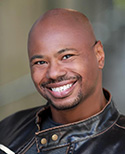 A native of the Jersey Shore, LYNN GARY ATKINS, JR., enjoys a career as a conductor, professional tenor, and music educator. Lynn’s first foray into handbells was as a member of the Training Bell Choir at Westminster Choir College of Rider University during his freshman year. In 2002, he became a member of the Westminster Concert Bell Choir. After graduation, Lynn resurrected the handbell program at Ewing High School in New Jersey, a program that is still engaged in promoting musicianship through handbells for high school students now more than 20 years. Equally comfortable in community music and sacred music, Lynn has been proud to serve as artistic director for the James River Ringers of Richmond, Virginia as well as the Philadelphia Handbell Ensemble. He has directed handbell programs for churches in New Jersey and Virginia.
 BRENDA AUSTIN is in demand nationally as a conductor and clinician because of her dynamic and energetic approach to connecting musicians through handbells. In 2019, Brenda joined the team at Hope Publishing Company in Carol Stream, Illinois as editor. In 2023, she was named music director for Embellish handbell ensemble. Before joining Embellish, she served as the artistic director for the Detroit Handbell Ensemble since 2016. Under her baton, DHE was honored to open the Handbell Musicians of America National Seminar in 2018 and be the featured concert for HMA’s Area 2 2019 Festival in Lancaster, Pennsylvania. Additionally, she has served First United Methodist Church in Eaton Rapids, Michigan, as director of music since 2003. She is also active in the community directing Children’s musical theatre.
 RON BELLAMY began ringing handbells in 1979 and has been a performer and clinician for Handbell Exploration, Solo/Ensemble Extravaganza (SEE), and Handbell Musicians of America. A former member of the Philadelphia Handbell Ensemble, he is now their artistic director. He is a solo handbell artist and was the solo ringing clinician at the 2019 HMA National Seminar in St. Louis as well as the 2023 HMA Area 2 festival. Ron is presently directing two handbell choirs at two Lancaster, Pennsylvania, area churches. He has conducted several massed ringing festivals including, most recently, the 2024 Toms River Handbell Festival and the 2024 Virginia Bronze Ring in Spring Festival. A graduate of the University of Scranton and a veteran of the U.S. Air Force, his full-time employment is in the field of accounting and finance.
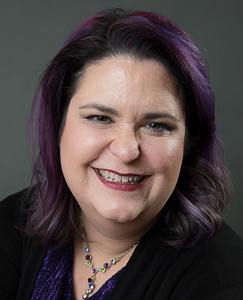 STEVIE BERRYMAN can’t whistle. But she makes fantastic pesto, and she can fold a fitted sheet. Likewise, her skills as music director and teacher have also been acquired through long hours of arduous and dedicated practice. For much of her career, Stevie has directed seven or more ensembles each week, meaning she has 114 years of experience (in dog years). Her effusive energy and wild creativity found a perfect setting in 2013 when she became the artistic director of the Houston Chamber Ringers, which has let her smash together her love for music, laughter, and tacos in a truly remarkable way. She has a particular passion for teaching beginners how to ring, and her innovative, play-based methods have made her a sought-after educator and clinician at area, national, and international handbell festivals. Stevie serves as the handbell director at First Congregational Church Houston, Texas, and co-leads Rocket Bells in League City, Texas. She loves helping other choirs as a private clinician or planning epic concerts for them as a creative consultant. She and her husband, Paul, are co-owners of Truly Horrible Things, a snarky card game company, even though her mother always told her that no one would ever pay her to be sarcastic.
 LAURA BLAUCH discovered a passion for the art of bell tree ringing after taking classes at past National Seminars, which led to studying privately with Barbara Brocker. She has performed at local churches in worship and last year played in the closing concert for Into the Forest, a bell tree focused event. In addition to bell trees, Laura has been conducting handbell choirs for over 20 years, studying with Dr. William Payn through the HMA Master Series and also attaining the highest level of the HMA Conducting Certification program. She has conducted festivals in North Carolina and Virginia, was a finalist in the 2019 Distinctly Bronze Associate Conductor program, and conducted solo pieces with an ad hoc choir at International Handbell Symposium in Nashville, Tennessee. She is currently the director of Queen City Ringers, an auditioned community ensemble in Charlotte, North Carolina. Laura has over 30 years of experience as a ringer, participating in multiple Distinctly Bronze and Virtuoso events, and has taught a variety of classes at area festivals and in private workshops. She has served as the historian and membership chair for Area 3, the Certification Program coordinator for HMA, and is currently the Scholarship Chair for Area 3. Laura holds a B. A. in sacred music with a concentration in voice from Lebanon Valley College. As a singer, she has been a church choir member for most of her life and has performed with choirs at Wolf Trap, Lincoln Center, Carnegie Hall, and in Europe. Laura retired from her financial analyst position at HP last year after a 35-year career with that company, so when not making music, she is exploring hiking trails and taking riding lessons on a sweet horse named McKenzie. Laura lives in Mooresville, North Carolina, with her husband, Dave (also a ringer!), and their 3 cats.
 JACK BURDWOOD has had a passion for handbells ever since she found the “Handbell Harmony” minigame on Wii Music in 2008. Four years later, she began ringing for audiences instead of high scores with the Wittenberg University Handbell Choir, while also picking up her bachelor’s degree in percussion performance on the side. Today, Jack is an accomplished handbell ringer and freelance percussionist, having performed in the past with the Austin Handbell Ensemble, the Austin Klezmer Bund, and the Austin Civic Orchestra. Currently, she performs with the Philadelphia Handbell Ensemble and the Pennsylvania Symphonic Winds. Jack shares her love of music and percussion with others through teaching at marching band programs, clinics, after school programs, and private lessons throughout New Jersey and Pennsylvania. She’s very excited to be sharing it with you as well.
 SUSAN CAPESTRO loves inviting young pianists to evoke anything with their music, even a waterfall in the room! Grammy-winning jazz artist and former student Steven Feifke says, “It was one of the greatest gifts that could possibly have happened for my career … she really embraces everybody at their level.” Playing Rachmaninov’s Elégie and jazzy blues at one piano conference, Susan inspired a whole crowd of teachers to chant: “1a, 2a, 3kati4kati … !” to discover how unpacking a seemingly complex rhythm can become both easy and fulfilling. A seasoned workshop leader (Music Teachers National Association and National Conference on Keyboard Pedagogy, e.g.), she encourages audience participation.
 ERIK DER is a lifelong
  MITCHELL EITHUN is a church musician, composer, and mathematician. He has over 60 published pieces of handbell music and has received commissions from community and church handbell ensembles. Mitchell is interested in developing innovative handbell rehearsal techniques and writing about the history of church music. Mitchell holds a B.A. in mathematics and computer science and a minor in music from Ripon College (Ripon, Wisconsin) and an M.S. in computational mathematics, science and engineering from Michigan State University (East Lansing, Michigan). Currently he is pursuing an MDiv at Duke Divinity School (Durham, North Carolina) and serves as a carillonneur at Duke Chapel. Mitchell previously served as handbell director at the First Presbyterian Church of Holt, digital ministry intern at University Lutheran Church and pastoral intern at Campus Edge Fellowship. In his spare time, he enjoys learning the carillon and traveling to new places.
 GILLIAN ERLENBORN is the choral director and musical theatre teacher at Frelinghuysen Middle School, in Morristown, New Jersey. Gillian utilizes handbells and handchimes in her vocal ensemble curriculum to better engage her students in a full body and literacy based musical education. Gillian graduated from Westminster Choir College in 2018 with both a Bachelor of Music in music education and a Master of Arts in teaching. She also directs the handbell choir and children’s choir at Middlebush Reformed Church in Middlebush, New Jersey. Gillian is proud to serve on the national board of Handbell Musicians of America.
 MICHAEL J. GLASGOW is a native of Michigan and cannot believe that 2024 marks 30 years since he last raised and lowered the flag at his high school (not to mention started college, found his “tribe,” and realized that the bullies who picked on him for being the “flag kid” were simply not worth the energy). After a full-time church-music career spanning more than 23 years, Michael now freelances full-time. Heralded for his “abundant melodic gift” (New York Concert Review), Michael is an award-winning composer of organ, handbell, and choral works, and keeps busy with commissions. He is deeply committed to his craft, and proud that each piece he writes has a story and a purpose behind it.
 PAMELA “P.L.” GROVE has been a handbell ringer and director for more than 45 years. As a founding ringer with the critically acclaimed Sonos Handbell Ensemble, her more notable performances included those with the San Francisco Girls Chorus, the San Francisco Symphony Chorus, the Kronos Quartet, Frederica von Stade, and twice on Garrison Keillor’s A Prairie Home Companion. She served as artistic director for Velocity Handbell Ensemble for over 20 years, has rung at several Distinctly Bronze events, was the Distinctly Bronze West chair from 2014 to 2016, represented the United States as the director at the 18th International Handbell Symposium in Australia, and rang in the inaugural Zenith event in 2023. She is one of only a few people to have completed a bachelor’s degree in handbell performance and is a past president of Handbell Musicians of America. Retired from her work as a government public information officer, P.L. currently works as a church vocal choir director and spends as much time as possible making music.
 DAVID M. HARRIS has been the director of The Raleigh Ringers (Raleigh, North Carolina) since January of 1990, when he was instrumental in the formation of the group. Under his leadership, The Raleigh Ringers have performed across much of the United States; in France and England; on International Television on the Hour of Power program; as a showcase choir for Handbell Musicians of America National Seminar and Area Festivals; with the North Carolina and Virginia Symphony Orchestras; and as special guest performers at the Chautauqua Institution in Chautauqua, New York. David is a graduate of The Pennsylvania State University and has studied conducting privately with Dr. William Payn (Bucknell University). David has led well over 200 handbell festivals and workshops in 39 states as well as in England, Puerto Rico, Canada and the Caribbean. He has also been the primary handbell clinician for several denominational music events, including Montreat (North Carolina), Lake Junaluska (North Carolina), Lutheridge (North Carolina), Mo-Ranch (Texas), Massanetta (Virginia) and the National Association of Pastoral Musicians (Kentucky). David is an adjunct professor at Meredith College in Raleigh, where he leads the Meredith College Ringers. He also conducts the educational groups sponsored by The Raleigh Ringers, The Millbrook Ringers and The Atlantic Ringers.
 CHARLOTTE HERBSTSOMER began her handbell journey while teaching elementary school music in Maryland. Since then, she has enjoyed ringing in advanced handbell choirs in Maryland and New York, and has served as music/handbell director for over 17 years at churches in Maryland. Charlotte was awarded a set of handchimes from the loan/grant program in Area 2 and learned to combine her love for teaching music with her love of handbells. Over the next few years, she worked to discover ways that handchimes and other non-traditional instruments like boomwhackers could be used in a music curriculum. Students of all ages/abilities loved using these instruments. After retiring in 2020, she moved to Rochester, New York. She continues to share the joy of handbells through both performing and teaching. Her latest classes include advanced handbell techniques for adults and beginning ringing for homeschool/private school students. On the side, she dabbles in arranging music for handbells.
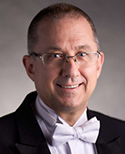 RICK HOLDSWORTH has dedicated his career to sharing music with the public as a vocalist, instrumentalist, director, arranger, and music educator. His love of music began at an early age, and grew as a member of his high school marching band. After graduation, he began his first professional music career in the U.S. Navy. During his 30 years of service, Rick performed in, managed, and directed Navy bands around the world. After retiring as a master chief, he began his second career in music ministry. For more than 20 years now, Rick has been leading an extensive music ministry, including vocal and handbell choirs of all ages and skill levels, as the director of music at Pine Shores Presbyterian Church in Sarasota, Florida.
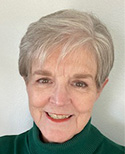 BETH JUDD is retired from full-time music and arts ministry after years of conducting singing and ringing choirs with children, youth and adults, overseeing liturgical dance and art gallery ministries, and developing concert series. She served as music chairman and later as president of AGEHR, and has proudly been attending AGEHR/HMA events since 1965. She also served as president of the Greater Dallas Handbell Association, secretary/treasurer for Area 9 AGEHR, associate conductor of the Dallas Handbell Ensemble, and the first conductor and artistic director of Concert Bells of Fort Worth. Beth continues as conductor and clinician for seminars, festivals, and denominational worship and music conferences. She conducted the 2015 HMA Distinctly Bronze East and the 2021 Distinctly Bronze West events, as well as at the International Symposium in Toronto. Beth is also honored and humbled to serve as a volunteer for Hospice Austin in patient care and family bereavement.
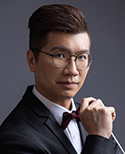 KEVIN MAZIMAS KO graduated with Bachelor of Arts (Hons) and Master of Arts (MA) degrees in music composition from Hong Kong Baptist University in 2001 and 2003 respectively. He also obtained his Master of Church Music from Concordia University Wisconsin in 2005. He founded the Asia Handbell Music Centre and has instructed seminars in Taiwan, Singapore, Canada, United Kingdom, Germany, Australia, and Malaysia. Kevin has been directing school handbell choirs for 23 years and has been developing his very unique classroom handbell methods with Miss Chan Cheuk Yiu since 2010. He is also a published composer and soloist. Kevin was a clinician at the 2016 Vancouver International Handbell Symposium and the Handbell Ringers of Japan 40th Anniversary event. He was also the Hong Kong selected Mass Ringing Conductor at the 2018 Cairns IHS and will be the Hong Kong conductor in 2024 IHS in Japan. He is currently the chairman of Hong Kong Asia International Handbell Association, the artistic director of Asia Handbell Music Centre, Malmark Handbells, Inc. Hong Kong representative, the director and founder of Hong Kong Elite Youth Ringers, and the handbell examiner of London College of Music Examinations.
 LESLIE LEWIS has been ringing handbells since 1979 when she was introduced to them at the Montreat Worship and Music Conference. She has been ringing in the bass section for Distinctly Bronze East since the event began in 1999, participated in the Distinctly Bronze European Tour in 2007, and added Distinctly Bronze West in 2019 & 2021. She has rung low bass in many area and national All Star Choirs and rang low bass at Virtuoso 2017, 2019, & 2022 sharing the stage with the Raleigh Ringers for the final concert. In 2022 Leslie crossed Bay View Week of Handbells off her bucket list and will continue to participate when the International Handbell Symposium doesn’t conflict with the dates. Leslie had the honor of travelling to Singapore in 2023 as a Foreign Guest Ringer with the Ministry of Bells (MOB) and will be ringing with MOB at the 21st International Handbell Symposium in Hamamatsu, Japan in August.
 Trained as a military and theatre percussionist and Yamaha Electone musician, DAMIEN LIM is founder and music director of the award-winning MINISTRY OF BELLZ from Singapore. percussion and handbells have led him to perform, teach, and adjudicate in over 20 countries, including the USA, Japan, Egypt, Canada, Australia, South Korea, the UK, Hong Kong, Ireland, Turkey, Ireland, and France, to name a few. Damien is a fellow of the London College of Music (UK). He holds a Master of Music (performance) from the University of West London – London College of Music (UK), and was recently awarded the title of doctor of letters (honoris causa) by ATU in 2022 for his work in handbell music development in Singapore. He is currently pursuing his second Master of Music (leadership) at the National University of Singapore – Yong Siew Toh Conservatory of Music. Damien directs advanced handbell teams at five schools and is consultant for eight other school ensembles. He is also executive director of the Handbell Ringers of Singapore (HRSG). A firm believer of creative excellence thru handbell music, he contributes actively to the development of handbell standards in Singapore through his tireless work with students, youths, persons with special needs and his colleagues. He constantly seeks to be “purposeful in pursuit of excellence.” Get to know more about Damian at
 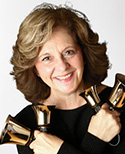 MARIE M. LOEFFLER enjoyed a successful career as a professional dancer, choreographer, and studio owner. When she transitioned to arts administration, she discovered handbells and a new way to bring music to life. Never looking back, Marie has earned the moniker of Belldancer for her graceful performances as a solo ringer. Her popular workshops include myriad technique and performance topics. In addition to her handbell achievements, Marie holds a degree in behavioral sciences and is a certified life purpose and career coach. She is a popular speaker and workshop presenter known for her original Ringing True series, which helps professional women rediscover their creativity, increase their confidence, and strengthen their leadership skills. Her bells frequently share the stage at her speaking gigs and add a unique twist to each presentation, thus creating a one-of-a-kind an experience for her participants. As an active member of HMA for many years, Marie has served on the boards for both Area 1 and Area 4. She is certified in Levels 1-3 handbell techniques and is accredited handbell techniques Level 1 faculty. Marie currently lives in Melbourne, Florida, where she continues to ring as a soloist, introduces bells to every new venue she can find, and serves as manager for the bell choir at Eastminster Presbyterian Church where she is pushing the ringers outside of their comfortable two bell box.
 RON MALLORY has been playing, directing, and composing for handbells for nearly 30 years and has extensive experience working with handbell ensembles in the church, school, and community choir settings. Ron has more than 250 handbell pieces in print and has won several composition contests. He has served as guest conductor at numerous festivals and teaches regularly at local and national handbell conferences. In addition to his work as a composer/arranger, Ron runs Martellato Media, which produces handbell demos and music for multimedia projects, and Paraboloid Press, a music and arts publishing company. Outside of music, Ron’s primary interest is astronomy, and he is actively involved in space science education using his portable planetarium dome. Many of Ron’s musical compositions are written on astronomical themes. Ron has a master’s degree in choral conducting from the University of Washington and a bachelor’s degree in music composition from California State University, Long Beach. He lives in Mulvane, Kansas, with his wif,e Emily, and their children, Vivian, Miles, and Rigel. A lifelong Christian, Ron is always working to grow in his relationship with God. For more about Ron and his music, visit
  BRUNA MARINHO is an energetic handbell ringer, pianist, music teacher, and music therapist based in São Paulo, Brazil. She is the founder of Handbells Brasil, an organization that promotes the art of handbell ringing in Brazil through performance and education. Bruna is very active and creative on social media. She has many series of handbell videos on YouTube to engage people from all ages and spread the joy of handbells. She served in the music ministry of St. Andrew Presbyterian Church, in Iowa City, Iowa, for six months in 2019, ringing bells, conducting the children’s handbell choir, and studying liturgical music. Bruna graduated from Catholic University of Santos in 2014 with a degree in music education and from a post-baccalaureate in music therapy in 2022 from Santa Marcelina College, through which she started working with elderly people doing sessions with handbells and handchimes. Currently she is pursuing a master’s degree in gerontology at University of São Paulo to investigate the effectiveness of the Yura Rhythm, which is a Japanese music method for older adults that she learned in Sendai, Japan, in 2023 through a scholarship from JICA – Japan International Cooperation Agency. Bruna works as a music therapist in Senior living and retirement centers utilizing handbells and handchimes as a music teacher at a Canadian School and promoting the art of bells in Brazil.
 HILLARY MAROTTA first became a musician through piano and flute but fell in love with handbells at Bucknell University under the direction of William Payn while playing for the Rooke Chapel Ringers. Since then, she has reprised her role at her alma mater both as a ringer and conductor and played in church groups in Pennsylvania and Virginia. She has rung with the Hershey Handbell Ensemble and is a regular Distinctly Bronze attendee. She was a 2022 Virtuoso ringer with The Raleigh Ringers. She has studied conducting under the direction of William Payn both privately and through master classes. She currently conducts her own group of beginning level ringers and coordinates both Distinctly Teen at National Seminar and the College Ring-In for HMA. She obtained a master’s degree in curriculum and instruction specializing in adult education and has taught and trained adults in various settings. She looks forward to bringing those teaching skills to National Seminar.
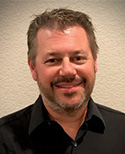 TRAVIS MASLEN is the band director and professor of music at San Jacinto College in Houston, Texas. He teaches aural skills and ear training, composition, American popular music, and music appreciation. previously, he was the instrumental music director for nineteen years at Christian Brothers High School in Sacramento, California. Travis also served as department chair of the Media visual, and performing arts department. As director of instrumental music, he conducted and oversaw three levels of band: jazz band, drumline, string orchestra, and handbell ensemble. Travis is currently a representative for the CMEA High School Capitol Section Honor Band and was a committee member in 2023 of the California All-State Golden State Honor Band.
 DIANA MONTGOMERY has been an active handbell musician for more than 20 years. She was a choir mom for Kirtsy Mitchell’s handbell choirs when her children were young and now directs the children’s and Chancel Bell ensembles at Chapelwood United Methodist Church in Houston, Texas. Diana also serves as the assistant organist and plays flute in the church orchestra. In 2019, Diana became the director of the Brookwood Handbell Ensemble, a 17-member handbell ensemble founded by Linda McKechnie at the Brookwood Community, a residential community for disabled adults in Brookshire, Texas. Diana joined the Houston Bronze Ensemble in 2021. She also serves as treasurer for HMA Area 9 and is on the board of directors for the Greater Houston Handbell Association. She has a degree in music education from Bowling Green State University in Bowling Green, Ohio, with emphasis in flute and organ. Diana retired from a career as a CPA in 2017 and now devotes her time to music, family and volunteer activities.
 DANIEL K. MOORE of Rumford, Rhode Island, retired from teaching and directing the Concert Handbell Ringers of the Wheeler School in Providence, Rhode Island, after 37 years of service to the school. His auditioned high school ensemble toured annually throughout the US, Canada, and Bermuda, appeared frequently on television, performed with the Rhode Island Philharmonic, and in opening concerts at both national and regional handbell festivals. Recordings include Joy To the World (Empire Brass), Inside Fessiwig’s (Ed Sweeney), and several solo Wheeler Concert Ringers’ CDs. He was a charter member of AGEHR/HMA’s committee to promote handbells in education and subsequently served the Area 1 and national AGEHR/HMA boards in many capacities.
 MARCI NUOFFER is proud to be the current chair of Area 12. She has participated in handbells for 38 years as a ringer and a conductor. After earning her BA in music, specializing in choral/handbell conducting in secondary education, from Concordia University in Irvine (California) in 1994, she continued conducting in the schools where she has taught. She currently teaches theology and handbells at Faith Lutheran Middle School and High School in Las Vegas, Nevada, where she conducts the middle school and high school handbell ensembles. In addition, she conducts her church handbell choir, which is a multi-generational group, and the newly formed Faith Lutheran Alumni Community Handbell Ensemble. She loves participating as an individual ringer at ringing events in Area 12 and at national events. In her spare time, she likes to spend time with her family and travel.
 JOEL PLAAG is the choir director at Cypress Creek Christian Church in Spring, Texas. He conducts the Cypress Creek Community Chorale, two handbell choirs, a children’s choir, and the Chancel Choir. After rediscovering a love of writing, he authored I’m a Choir Director, Singing in the Moment, and most recently, Caring for Your Choir. Dr. Plaag was choral director at multiple colleges in Texas and Arkansas while researching and publishing on conducting pedagogy. While teaching, he held positions as music director at First Christian Church of Grand Prairie, Texas; Holy Cross Lutheran Church of Houston, Texas; First Methodist Church of Brenham, Texas; and as quartet soloist at Temple Emanu-El of Livingston, New Jersey; and quartet soloist at Temple Emanu-El of Fort Worth, Texas. He founded the Batesville Choral Society and restarted the Brenham Chorale after a multi-decade hiatus. Currently, he also serves as cantor and pianist at Temple Israel in Schulenberg, Texas.
 DEBBIE RICE has been a university professor for 12 years in Canada for a school of music and faithfully served in music ministries for Anglican, Baptist, Lutheran, United Methodist, and United Church congregations. She draws on her vast experience as a professional singer and choral conductor and her passion for teaching to encourage high standards for the handbell and handchime instrument. Debbie travels as clinician, adjudicator, and mass conductor that has included assignments in more than 20 countries. Her next international tour as mass conductor with Witte Travel and Tours will be in 2025. With Handbell Musicians of America, she has held elected offices on the national board as national secretary and national president and has served as Area chair. In 2014, she was awarded Honorary Life Membership, HMA’s highest honor. Debbie is also a past executive director of the International Handbell Committee.
 SHARON SCHMIDT was a member of The Agape Ringers, an auditioned community handbell ensemble from the Chicago area, for 30 years and is past chair for Area 8. She previously directed multiple handbell ensembles at Gary United Methodist Church in Wheaton, Illinois, served on the Area 8-Illinois State Committee from 1994-2021, was chair for 11 Distinctly Bronze events, served as Area 8 treasurer for four years, and was the Certification Program coordinator for five years. Now living in the Denver, Colorado, area, Sharon is the substitute director for the Rocky Mountain Ringers. Her handbell teaching experience includes numerous local events, events in Areas 1, 5, 7, 8, and 10, multiple National Seminars, a National Festival, and the International Handbell Symposium in 2008.
 BRIAN SEEMANN is the director of handbell ensembles at the Landon School in Bethesda, Maryland, and the music director of Virginia Bronze. He has been music director of the Philadelphia Handbell Ensemble and the New England Ringers, and has performed with Sonos Handbell Ensemble, Back Bay Ringers, and the Philadelphia Handbell Ensemble. Brian is also a published composer and has served as faculty, clinician, and conductor around the US as well as at several International Handbell Symposiums. His ensembles have been invited to perform at Handbell Musicians of America National Seminar three times in 2016, 2019, and 2024. In addition to being a ringing member, he also serves on the board of Sonos Handbell Ensemble. Along with Nick Hanson, Brian is the co-host of Two Tacos High, a handbell podcast.
 MICHÈLE SHARIK rings professionally with Sonos Handbell Ensemble, is the founding artistic director of Timbré, and is an internationally-renowned handbell soloist, conductor, and teacher. She has played, taught, and/or conducted bells in 39 US states and 9 countries. She designed and is the master teacher of the handbell techniques curriculum for HMA’s certification program. In addition to degrees in computer programming, visual and performing arts, and music technology, she has a master’s certificate in performing arts medicine and is a fervent “evangelist” for safe ringing techniques.
 JENNIFER STACK is the current Area 1 chair, and Area 1 Chime Loan Program coordinator. She also sits on the education committee for the board of Handbell Musicians of America. She began ringing bells in 2013 at the invitation of a work colleague, and “fell in deep” when she joined Merrimack Valley Ringers in 2018. Jennifer currently directs an adult handbell choir and a children’s chime and vocal choir for the Holy Rood Collaborative. Her passion is handbell education and spreading the word that handbells are an amazing instrument for music education. Her overarching philosophy is that if you’re not having fun, you’re not doing it right.
 JOY TOLL-CHANDLER has been playing and directing handbells since 2000. She has a Bachelor of Music degree from the Crane School of Music and a Master’s in Church Music (handbell emphasis) from Concordia University. She has two pieces published by AGEHR Publishing and has a goal of doing much more composing. She was also accredited as a faculty instructor for Level 1 Handbell Certification in theory and conducting. Joy is currently the director of the handbell choir of the Congregational Church in Cumberland (Maine). Having retired from full-time pastoral ministry, she and her husband, Paul, are happily settled in Maine and enjoy time with family, traveling, visiting lighthouses, and doing puzzles.
 GREG URBAN lives in Salem, Massachusetts, with his husband and dog. He currently rings with the Back Bay Ringers in Boston, Massachusetts, and has previously rung with Bells of the Cascades (Portland, Oregon) and Sonos Handbell Ensemble (Oakland, California). When not ringing or arranging handbells, he facilitates team building and group development for groups using a high ropes course. He is always looking for the next pop/rock piece to arrange for bells and figuring out how he can get unique sounds out of our quirky instrument.
 Director, educator, composer, publisher, ringer, clinician KATHLEEN (KATH) WISSINGER is all about the bells…and bell people. Known for her creative teaching style, clear directing, and engaging compositions, she has led events across the US and in Canada and Japan. Artistic director of Mosaic Handbell Ensemble (8-9 advanced ringers on 4-5 octaves bells and chimes) and Gloria Dei (an adult church group), Kath also developed Square One, a complete curriculum for first-year ringers based on 18 years of teaching handbells in the classroom. Her students also wrote many compositions as classroom projects. Her own compositions span a wide range of ringing possibilities from Level 1 to Level 5; Solos and small ensembles to full 7-octave concert epics; commissions and special projects, many released through her publishing company ringTrue Handbell Music. Kath currently serves on the national board of HMA; coordinates the CHIME Loan program for Area 3; served on the Area 3 board for eight years; and often mentors ringers, directors, composers and new events. A former National Park Service ranger (Acadia and Shenandoah) with a degree in geology, Kath lives in the beautiful Shenandoah Valley of Virginia with her husband, Skip (also a former Park Ranger), teaches piano lessons, and makes world-famous bread & butter pickles. Contact her at
  JUSTIN WOOTEN hails from the western foothills of North Carolina near Charlotte in a small sleepy town called Union Grove. After finishing a high school career dominated by athletics, Justin switched gears, started working in regional professional theaters across the US, and went to Elon University, where he received a degree in music theater. Immediately after college, he moved to Los Angeles for the sunny days, bodacious beaches and active lifestyle. While soaking up the rays, he became a fitness trainer where teaching classes, training fitness enthusiasts and celebrities, and learning as much about the human body was just a typical day in the life of. Throughout all his adventures in life, handbells has always been a constant. He began playing handbells at the ripe old age of seven years old. Even after moving to Los Angeles, he played with Charlotte Bronze under the leadership of Linda Krantz. In 2020, during the pandemic, Justin moved back to North Carolina where he immediately joined Charlotte Bronze under the direction of Tim Waugh. His one rule in life is: “If it’s heavy, try to pick it up. If it is too light, make it heavier. If it’s too heavy, get stronger.” This should explain why he only hangs out in the low bass. Post pandemic, Justin now resides in North Carolina, trading in the big city vibes for the quiet country lifestyle. He continues to pick up heavy things, set them down, then repeat as many times as possible. Now, he also runs his own studio, where he teaches others to do the same. On top of all of that, he lives on a farm with cows, donkeys, dogs, watermelons, blueberries and a friendly family of raccoons in his backyard.
 Joy Toll-Chandler has been playing and directing handbells since 2000. She holds a Bachelor of Music degree from the Crane School of Music and a Master of Church Music degree, with a handbell emphasis, from Concordia University. She has two pieces published by AGEHR and has a goal of doing much more composing. She was also accredited as a faculty instructor for Level one Handbell Certification in Theory and Conducting.
 A native of California, Dr. Celia Chan Valerio has served as music director of BellForza, Loma Linda University Church’s advanced bell choir, for the past 15 years. During this time, she has guided BellForza to musical excellence through an emphasis on musicality, teamwork, and fun. The ensemble especially enjoys supporting new compositions—the “hotter” off the press, the better—as well as performing “the classics.”
 A native Texan relocated to Colorado, NIKKI EVANS has played other instruments (including piano, guitar, and knowing what the little buttons do on an accordion), but found her passion when she discovered the art of handbell ringing. She jumped in with both feet, immersing herself in the handbell world however she could. As a soloist, she has presented several concerts and contributed music to numerous worship services in Texas and Colorado, and she was honored to perform at National Seminar in Phoenix, Arizona, in 2021. Nikki has coached handbell soloists and has taught workshops for church and community handbell groups in Colorado Springs. She was on faculty for National Seminar in 2023 and is excited to be back in 2024.
 SANDRA EITHUN, M.M.Ed., is a graduate of Silver Lake College in Manitowoc, Wisconsin, with an emphasis in the Kodály teaching method, keyboard, and flute. She is currently on the faculty of Valley Troubadours of Appleton and at Holy Family Conservatory of Music in Manitowoc, Wisconsin, leading the handbell program for both schools. She served as director of music ministry, handbell director, children’s choir director, organist, and choral accompanist at First Congregational United Church of Christ in New London, Wisconsin, from 1992-2021, and directed the Silver Lake College Handbell Ensemble from 2009-2020. Sandra has over 600 pieces for handbells in publication as well as several sacred keyboard books and teaching collections for the incorporation of handbells in the music classroom. Sandra’s compositions have been recently featured on the PBS Christmas special Holiday Handbells as well as concerts by noted groups across the country including The Raleigh Ringers and The Bells on Temple Square in Salt Lake City. She continues to work as a handbell clinician and conductor at numerous festivals and workshops throughout the United States.
 ANDY WALLACE is Shoreline Ringers’ music director and the music director at the Dunn’s Corners Community Church, Presbyterian, where he has been directing the handbell and choral programs since 1996. Andy has been ringing handbells in choirs and ensembles since 1991 and is active as a solo ringer and clinician throughout Area 1. He is a middle school history teacher and has received several outstanding teaching awards, including the prestigious Milken National Educator Award, the “Oscars” of education.
 GRIFF GALL is the founding artistic director of the Back Bay Ringers, one of New England’s premier handbell ensembles. Under his direction, the ensemble has performed throughout the Greater Boston area and has developed a reputation for their musically sensitive performances. He has collaborated with many of the area's finest musical organizations including the Handel and Haydn Society, New England Conservatory Choral Department, the Boston Children's Chorus, and the Boston Pops. Griff is an elementary music and movement specialist in the town of Danvers, Massachusetts. He earned a Bachelor of Music in music education from Westminster Choir College, a Master of Music in Education from Boston University, and received his Certificate of Advanced Graduate Study in Education Leadership from Salem State University. He is frequently invited as a guest clinician and conductor, leading workshops in handbell pedagogy, conducting, and Orff Schulwerk for local and national handbell and music education and handbell conferences. He is the co-author of Ring, Dance, Play, First Experiences with Choirchimes and Orff Schulwerk, published by GIA. Griff is the recipient of the Donna Nagel Award for his contributions to the field of General Music from the Massachusetts Music Educators Association and the Spotlight Award from the American Center for Elemental Music and Movement.
 A musician with more than 30 years of performance experience, 20 years of nonprofit volunteer service, and a lifelong commitment to church music ministry, Kathryn Jurado has quickly gained prominence in the handbell community as a handbell musician and director. She currently serves as Director of Handbells at Landon School in Bethesda, Maryland, where she leads students in grades five through 12, following more than a decade of teaching in Hillsborough County Public Schools in Florida. Kathryn also serves as president-elect on the national board of Handbell Musicians of America and is the handbell and instrumental editor for Alfred Handbell, a division of Jubilate Music Group.
 William J. Murphy has several decades of experience as a handbell musician and director. He holds a Bachelor of Music degree with a concentration in Music Education from Westminster Choir College of Rider University, where he rang in the Westminster Concert Bell Choir, and he is currently serving as Past Chair for Area 4. Previously, William was one of the music directors for Magic of Bronze in Orlando, Florida, leading both the concert and intermediate choirs. He has also worked with the Suncoast Bronze Ringers in the Tampa Bay area and with several churches throughout Central Florida.
 Anne Kelley is an enthusiastic handbell director, educator, and handbell musician who is passionate about the art of handbell ringing. She graduated summa cum laude with a Bachelor of Music Education in Choral Music from Northern Arizona University. During her undergraduate career, Anne served as President of the Harold M. Harter Memorial Handbell Choir and was appointed Bellmaster in her senior year.
 Marie M. Loeffler has been immersed in the performing arts her entire life—as a dancer, choreographer, studio owner, arts administrator, solo handbell artist, and handbell clinician.
 Bruna Marinho is an energetic handbell musician, pianist, and music therapist based in São Paulo, Brazil. She is the founder of Handbells Brasil, an organization dedicated to promoting the art of handbell ringing in Brazil through performance and education, and, with her team, recently produced the very first Brazilian handbell festival.
 Susie Amos’s love for handbells began in her youth at Plymouth Congregational Church in Lawrence, Kansas. Years later, she returned to ringing with her church choir in Massachusetts and then with the community ensemble New England Ringers. She is especially proud of the success of Oktobellfest, an annual festival sponsored by New England Ringers that is now in its sixth year. She has worked in corporate services at Morgan Stanley in Hong Kong, in higher education, and is currently teaching English to new arrivals to the United States. She loves her iPad and is happy to never have to turn a page again.
 Leslie Lewis has been a handbell musician since 1979, when she was introduced to handbells at the Montreat Worship and Music Conference. She has rung in the bass section for Distinctly Bronze East since the event began in 1999 and participated in the Distinctly Bronze European Tour in 2007. She later added Distinctly Bronze West in 2019, 2021, and 2025. Leslie has rung low bass in many Area and national All-Star Choirs and rang low bass at Virtuoso 2017, 2019, and 2022, sharing the stage with the Raleigh Ringers for the final concert. In 2022, Leslie crossed Bay View Week of Handbells off her bucket list and plans to continue participating when the International Handbell Symposium does not conflict with the dates. Leslie had the honor of traveling to Singapore in 2023 and 2026 as a Foreign Guest Musician with the Ministry of Bells (MOB) and rang with MOB at the 21st International Handbell Symposium in Hamamatsu, Japan, in 2024.
 Diana Montgomery has been actively involved with handbells for the last 25 years. She is the assistant organist and handbell director for children, youth, and adults at Chapelwood United Methodist Church in Houston, Texas. For the last seven years, she has been blessed to lead the Brookwood Handbell Ensemble, an ensemble of adults with special needs and talented handbell musicians at the Brookwood Community in Brookshire, Texas. This community has inspired her to share its vision “to change the way the world sees adults with disabilities” and to bring the world of adaptive notation to others.
 Suzanne Neafus discovered her love of handbells as a teenager at her home church on Long Island, New York. She is deeply grateful for this early foundation, which paired strong musical training with a commitment to continuous learning. That introduction sparked a lifelong passion for the instrument and instilled in her the belief that there is always more to explore, refine, and understand.
 Dr. Joel Plaag is the choir director at Cypress Creek Christian Church in Spring, Texas. He conducts the Cypress Creek Community Chorale, two handbell choirs, a children’s choir, and the Chancel Choir. After rediscovering a love of writing, he authored I’m a Choir Director, Singing in the Moment, and Caring for Your Choir, and is currently working on a fourth book, Singing Together, which explores the effects of choral singing in combating loneliness.
 Corbin Rasmussen was first introduced to handbells 12 years ago, when he discovered a three-octave set in his office at Rigby High School in Rigby, Idaho. He now leads the largest handbell program in the state of Idaho and possibly the largest program at any public school in Area 10. Corbin serves on the Idaho ACDA board and on the Area 10 Executive Board as Chair-Elect.
 Stephanie Rhoades is Director of Worship and Music at Preston Hollow Presbyterian Church in Dallas, Texas. In addition to overseeing the planning and implementation of all worship services, she directs the handbell choirs. Ms. Rhoades also serves as Conductor and Artistic Director of Concert Bells of Fort Worth, an auditioned community ensemble established in 1998. The ensemble was honored to perform the opening-night concert at Handbell Musicians of America’s National Seminar in Irving, Texas, in 2023.
 Debbie Rice divides her time between the United States and Canada, where she currently serves as Artistic Director for the Handbell Society of Edmonton. She has been a university professor in a school of music and has faithfully served in music ministry across multiple denominations. Drawing on her extensive experience as a professional singer, choral conductor, and dedicated educator, she encourages high standards for the handbell and handchime instruments.
 Brian Seemann is the Production Manager for the Children’s Chorus of Washington and the Music Director of Virginia Bronze. He has previously served as Music Director of the Philadelphia Handbell Ensemble and the New England Ringers and has performed with Sonos Handbell Ensemble, Back Bay Ringers, and the Philadelphia Handbell Ensemble. Brian is also a published composer and has served as faculty, clinician, and conductor throughout the United States, as well as at several International Handbell Symposia.
 Jennifer Stack is the current Area 1 Past Chair and also serves on the Community Choir Committee of the Handbell Musicians of America Board. She began ringing handbells in 2013 at the invitation of a work colleague and “fell in deep” when she joined Merrimack Valley Ringers in 2018.
 Jackie Stephenson is a native Texan and a graduate of Texas A&M University with a Bachelor of Science degree in Educational Curriculum and Instruction. She has taught piano, flute, twirling, and math in public schools. Her passion for teaching is best expressed in conjunction with her passion for handbells.
 Kimberlee Strepka has been teaching music for 35 years and pioneering Laban movement–based handbell artistry since 2006. Her text, Handbell Artistry from the Inside Out: Laban Movement Theory for the Handbell Musician (GIA, 2012), has been described by college professors as a long-missing resource for handbells in academia. She enjoys teaching a wide range of handbell topics through the lens of movement at local, regional, and national handbell events.
 Christopher Titko believes in sharing his faith through the transformative power of music. Educationally, he studied handbells with Donald Allured at Westminster Choir College and also attended Indiana University and the University of Oklahoma. Christopher has served musically in various denominations and spent five years as Church Music Editor for J. W. Pepper.
 Dr. Lynn Gary Atkins, Jr. is an active conductor, educator, and advocate for the handbell art form whose career spans classrooms, concert halls, and community ensembles. A native of the Jersey Shore, he began his musical journey through the handbell training program at Westminster Choir College of Rider University, where he studied with Kathleen Ebling Shaw and performed with the Westminster Concert Bell Choir.
 Brenda Austin is in demand internationally as a conductor and clinician because of her dynamic and energetic approach to connecting musicians through handbells. In 2019, Brenda joined the team at Hope Publishing Company in Carol Stream, Illinois, as an editor. In 2023, she was named music director for Embellish Handbells. Embellish was one of the premier ensembles to perform at Handbell Musicians of America’s Pinnacle in 2025.
 Laura Blauch discovered a passion for the art of bell tree ringing after taking classes at past National Seminars, which led her to study privately with Barbara Brocker. She has performed in worship services at local churches and, in 2023, played in the closing concert for Into the Forest, a bell tree–focused event.
 Christopher Boilesen serves as Director of Handbells at First-Plymouth Congregational Church in Lincoln, Nebraska, the same church where he grew up and first picked up a handbell at the age of twelve. Just three years later, he joined the adult ensemble, the Plymouth Ringers. Over the years, he became an accomplished bass handbell ringer and went on to ring in the “Deep Pit” at the Bay View Week of Handbells for fifteen years, an event that holds a special place in his heart.
 William (Billy) Brandt is a music educator currently serving as Director of Choirs at Freedom High School, where he leads the vocal ensembles and handbell ensemble. In addition, Brandt serves as Director of Choirs for the United Church of Christ in New London, Wisconsin, where he leads the handbell program, including directing the Spirit Bells handbell ensemble. He is also the instructor of music literacy and instrumentalist coordinator for the Badger State Girl Choir.
 Jack Burdwood is a New Jersey–based handbell musician, percussionist, and music educator with more than twenty years of experience in the percussive arts. She began ringing with the Wittenberg University Handbell Choir in 2012 and continued performing with the Philadelphia Handbell Ensemble and the Austin Handbell Ensemble after graduating with a degree in percussion performance.
 Madeline S. Carey has been ringing handbells for more than ten years, including three years with her college ensemble. She earned a Bachelor of Music Education from Cairn University in Langhorne, Pennsylvania, in 2024, with double bass as her primary instrument. A bronze-level handbell musician, she has enjoyed ringing for a wide variety of audiences over the past decade, including performances at hospitals, prisons, churches, and before an audience of 20,000 at Camping World Stadium in Orlando, Florida.
 Taryn Davis has been performing music since the age of four with a variety of instruments and ensembles. She holds a Bachelor of Arts in music with a bassoon emphasis and a Master of Arts in special education with a moderate/severe focus. Taryn has taught kindergarten through grade twelve music and special education classes in both public and private schools and has directed several church and homeschool handbell choirs since 2012. Her areas of specialization include handbells and orchestral studies, as well as private music instruction in piano, violin, and bassoon.
 Mitchell Eithun is a church musician, composer, and mathematician with more than eighty published pieces of handbell music, including commissioned works for prominent community and church handbell ensembles. He is interested in developing innovative handbell rehearsal techniques and writing about the history of church music.
 Sandra Eithun, Master of Music Education, is a graduate of Silver Lake College in Manitowoc, Wisconsin, with an emphasis in the Kodály teaching method, keyboard, and flute. She is director of Fox Valley Bronze and currently serves on the faculty of Valley Troubadours, both based in Appleton, Wisconsin. She served as director of music ministry, handbell director, children’s choir director, organist, and choral accompanist at First Congregational United Church of Christ in New London, Wisconsin, from 1992 to 2021. She directed the Silver Lake College Handbell Ensemble from 2009 to 2020 and led the handbell program at Holy Family Conservatory of Music in Manitowoc, Wisconsin, from 2021 to 2025. Sandra is an active member of Handbell Musicians of America and has served on its Area VII Board of Directors.
 Born in Texas and later relocating to Colorado, Nikki Evans has played a variety of instruments, including piano, guitar, and even learning what the little buttons do on an accordion, but she found her passion when she discovered the art of handbell music. She jumped in with both feet, immersing herself in the handbell world in every way she could.
 Kerry Johnston serves as Director of Music Ministry at First Cary United Methodist Church in Cary, North Carolina, where he directs a graded handbell program in addition to vocal and instrumental ensembles.
 Joe Galyon engages people from all walks of life in music ministry at Church of the Saviour United Methodist. With a passion for developing church musicians of any age, he oversees a comprehensive program of choral, handbell, and instrumental ensembles. As a handbell conductor, Joe serves as music director for Queen City Bronze, Cincinnati’s premier handbell ensemble.
 Matt Gender, Doctor of Musical Arts, is a concert organist and church musician currently serving as Director of Worship Arts at Zumbro Lutheran Church in Rochester, Minnesota. He holds degrees in organ performance from the University of Florida and the University of Kansas, where he studied with Laura Ellis, James Higdon, and Michael Bauer. Matt is an award-winning improviser specializing in silent films and has received prizes in the American Guild of Organists National Competition in Organ Improvisation (2016) and the University of Michigan Organ Improvisation Competition (2017).
 Erin Gerecke is excited to serve as a first-time faculty member for National Seminar. Erin has more than 40 years of experience in handbells beginning in her youth, including performing as a handbell musician, directing, and serving in leadership roles. She has performed solos, four-in-hand and off-the-table duets, and small-ensemble pieces. Erin has also played in many church, school, and community choirs. She is accomplished in four-in-hand ringing and treble techniques but is not-so-secretly a big fan of bass bells and chimes.
 Michael J. Glasgow is likely creating, performing, or listening to music right now (unless he is talking to someone or lost in a game of 2048, which he will win one day). If he is not actively making music, he is probably teaching others about it or seeking to learn from them.
 After earning a Bachelor of Arts in music, with a concentration in handbell performance, from Concordia University in Irvine, California, Nick Hanson has taught at The Potomac School in McLean, Virginia, for the past 25 years. At Potomac, he teaches private handbell lessons and handbell classes to students in fourth through twelfth grades across six handbell ensembles. He has also served as handbell director at Bush Hill Presbyterian Church in Alexandria, Virginia, for more than 15 years.
 Paul Kinney followed older brothers into the church bell choir and has now been a handbell ringer for 50 years. He has performed in choirs and ensembles and played solos and on bell trees. He has been a church bell director for 44 years, currently serving at Redford Aldersgate United Methodist Church near Detroit. He has been a member of Detroit Handbell Ensemble for 30. For DHE he taught classes in special techniques. He has lost count of his attendance at bell festivals, National Seminars, and International Symposiums. Paul taught music theory at Marygrove College in Detroit for 5 years. His first handbell arrangement was published in 2000 and he now has 17 works for full choir, ensemble, solo, and bell tree in print. He used the Finale notation program for 23 years and has used Dorico for almost two years. He worked in the auto industry as a computer programmer in Computer Aided Engineering for 27 years, including two years in Cologne, Germany where he introduced chimes to music students to play at their annual concert at the Cologne Philharmonie. That venture became an Overtones article in 1992. Paul holds a Bachelor of Arts from Albion College majoring in both Computational Mathematics and Music and a Master of Music in Composition from Wayne State University. In his spare time he does genealogy research.
 With an insatiable thirst for knowledge and a passion for sharing what she has learned, Karen Van Wert is equally at home in the classroom or at the podium. She often says, “There is nothing more rewarding than witnessing a handbell musician grasp a concept and execute it in their music. Building skills and instilling confidence in a handbell musician is the goal of every rehearsal, for then we can make music.”
 Director, educator, composer, publisher, handbell musician, clinician, and handbell cheerleader Kathleen Wissinger is all about bells and bell people. Known for her creative teaching style, clear directing, and engaging compositions, she has directed and taught at events across the United States and in Canada and Japan. She is Artistic Director of Mosaic Handbell Ensemble and Gloria Dei, an adult church group.
 Phoebe T. T. Yeung is a handbell conductor, composer, performer, and educator based in Hong Kong. She holds a Master of Church Music degree with a handbell specialization from Concordia University Wisconsin and a Bachelor of Education (Honours) degree in Music from The Education University of Hong Kong. With more than a decade of experience, her school and community ensembles have received numerous awards at local and international handbell competitions, and she is frequently engaged as a clinician and adjudicator throughout Hong Kong.
 Hillary Marotta first became a musician through piano and flute but fell in love with handbells at Bucknell University under the direction of Dr. William Payn while playing with the Rooke Chapel Ringers. Since then, she has reprised her role at her alma mater as both a handbell musician and a conductor and has played in church groups in Pennsylvania and Virginia. She has rung with the Hershey Handbell Ensemble and is a regular Distinctly Bronze attendee. She was a 2022 Virtuoso handbell musician with the Raleigh Ringers. She has studied conducting under the direction of William Payn both privately and through master classes.
 An active church musician for most of his life, Mark Arnold currently serves as Director of Handbell Ministries at First Baptist Church of Keller, Texas, where he also plays bass in the worship band and horn in the orchestra. He is a graduate of the University of Kansas, holding bachelor’s degrees in music education and music theory, with additional study in computer science.
 Linda Lamb has been involved with handbells since 1992, as director, ringer, and composer. She received a Bachelor of Arts degree in sociology from Carson-Newman College (now University) with a minor in music, and a Master of Church Music with handbell emphasis from Concordia University Wisconsin. Presently at her church, she directs a multi-generational choir. As handbell groups ebb and flow, she has directed beginning groups, youth groups, a high school girls' quartet, and during covid, three small groups at her home. She has numerous handbell publications to her credit. She is married with two grown children and two grandchildren.